A bill that doubles between summer and July feels like a mistake, but in most homes it is the heating and the hot water cylinder doing what they are asked to do. Winter is Wellington's wettest season, gales are most frequent then, and wind finds every gap in an older weatherboard house.
This guide looks at what an average bill really means, why winter use climbs, how much of your bill pays for the lines, which appliances matter most, and the electrical changes that can make a difference. It does not compare power companies or plans; your retailer can show you the options on your own usage.
What is the average power bill in NZ?
There is no single average that fits your house. Bills depend on the size of the home, how many people live there, how it is heated, what the hot water runs on and which plan you are on, so a national figure says little about whether your own bill is high.
MBIE runs a Quarterly Survey of Domestic Electricity Prices that tracks advertised prices across the country. It is useful for seeing how prices move, but it is based on tariffs rather than what households actually paid. Your own bill history is a better benchmark: compare this July with last July, not July with January.
If your usage in kilowatt hours has climbed year on year while the household has not changed, something in the house has. That is the point where it is worth looking at the cylinder, the heating and the lighting, and possibly a fault.
Why does my bill jump in winter?
Heating is the main reason, followed by hot water. Heaters and heat pumps run for longer each day, the cylinder works harder because the incoming water is colder, and showers get longer.
Wellington's weather adds to it. NIWA's climate summary records gusts over 63 km/h at Wellington Airport on about 166 days a year, and wind strips heat from walls, windows and gaps under doors. Rain matters too: Wainuiomata Reservoir averages around 1,800 mm a year against about 957 mm at the airport, and wet weather means clothes dried inside on heaters or in a dryer.
Shorter days add lighting hours. In an older house still lit by halogen downlights or incandescent bulbs, that is a noticeable winter cost on its own. The Kāpiti Coast is more sheltered, with Paraparaumu recording far fewer strong gusts than the airport, but the shift to heating and hot water happens there too.
- Longer heating hours, often in more rooms
- Colder incoming water for the cylinder to heat
- Indoor drying when it rains for days
- More hours of lighting each evening
How much of my bill is lines charges?
A meaningful part, though the share changes over time. The Electricity Authority breaks the average household bill into seven costs: generation, transmission across the national grid, distribution on local lines, your retailer's costs, metering, levies and GST, which works out at 13% of a GST-inclusive bill.
Distribution pays for building and maintaining the local lines that bring power to your street. In Wellington City, the Hutt Valley and Porirua those lines belong to Wellington Electricity, which serves about 176,000 homes and businesses. On the Kāpiti Coast the lines company is Electra. You do not pay either of them directly: the lines charge reaches you through your power retailer's bill.
Fixed daily charges generally cover lines and metering, so they stay the same whatever you use. That is why a small household's bill rarely falls as far as expected when usage drops. You can ask your retailer for an itemised bill for any period, which shows how much went on fixed charges and how much on usage.
Find out where the power is going
Cheeky's Electrical inspects your board, cylinder, heating and lighting circuits and gives you a fixed price for the changes worth making.
Which appliances use the most power?
Heating and hot water. Gen Less says hot water and heating together make up about two-thirds of household energy use, with hot water alone around a third. Everything else, from the fridge to the television, shares what is left.
That is why small savings elsewhere rarely dent a winter bill. Turning off a phone charger matters far less than the cylinder thermostat, a heater left on in an empty room or a dryer used every day.
| Use | Why it climbs in winter | Where to look first |
|---|---|---|
| Space heating | Longer hours, more rooms, wind and draughts | Heat the rooms you use, close doors, stop draughts |
| Hot water cylinder | Colder incoming water and longer showers | Cylinder element, thermostat and any leaks |
| Clothes drying | Rain means indoor drying | Dryer use and heaters used as dryers |
| Lighting | More hours of darkness | Old halogen and incandescent bulbs |
| Fridge and freezer | Little seasonal change | Old second fridges in the garage |
What can an electrician change to cut the bill?
An electrician cannot change your plan or the weather, but they can fix the things in the wiring that waste power and set the house up to use less. The biggest wins are usually lighting, faults and how heating and hot water are wired and controlled.
Swapping halogen downlights for LED lighting cuts the lighting load, and fittings rated for insulation contact let ceiling insulation go back over the top instead of leaving gaps around each light. A hot water cylinder with a failing element or thermostat can run longer than it should, and fault finding on the element and its circuit is a straightforward job.
If you are adding a heat pump to replace plug-in heaters, it needs a properly sized dedicated circuit, and in an older house that can mean a switchboard upgrade so the board has room for it. A bathroom extractor fan ducted outside moves damp air out at the source rather than leaving it to condense on cold windows.
What can you check before calling anyone?
Start with the bill. Look at the kilowatt hours, not just the dollars, and compare the same month across two years. Then walk the house in the evening and note what is on that does not need to be.
Older homes deserve a closer look. A 1940s state house in Naenae or a 1950s family home in Wainuiomata may have had a kitchen or garage added without the board being updated, and plug-in heaters on extension leads are a common sign that a room never had enough sockets. That is a safety question as well as a cost one.
- Compare kilowatt hours for the same month last year
- Check whether a second fridge or freezer is still running
- Note heaters left on in rooms nobody is using
- Look for warm plugs or sockets, which point to a fault
- Ask your retailer for an itemised bill
When should you call an electrician about a high bill?
Call when the usage has jumped without an obvious reason, when sockets or plugs are warm, when the cylinder seems to heat constantly, or when you want to upgrade lighting and heating circuits properly.
Cheeky's Electrical can carry out an electrical inspection that looks at the board, the cylinder connection, the heating circuits and the lighting, then give you a written list of what is worth changing and a fixed price for each item. We work across the region, so whether you are in the eastern suburbs, the Hutt or the Kāpiti Coast, see our page for electricians in the Hutt Valley and the other areas we cover.
Frequently Asked Questions
Does Wellington Electricity send me a bill?
Not usually. Wellington Electricity owns the local lines in Wellington, the Hutt and Porirua, but its lines charges are passed on through your power retailer. Questions about your bill go to the retailer; faults on the street network go to the lines company.
Why did my bill go up when I used less power?
Fixed daily charges, which generally cover lines and metering, stay the same whatever you use, and prices can change between bills. Check the kilowatt hours on each bill rather than the total, and ask the retailer for an itemised bill if it does not add up.
Do LED bulbs really make a difference in winter?
They make the most difference in homes still using halogen downlights or old incandescent bulbs, because lights run for more hours in winter. They will not offset heating, which is the bigger cost, but they are one of the simplest changes to make.
Can a faulty appliance push up my power bill?
It can. A cylinder element or thermostat that is failing, a fridge seal that no longer closes or a heater with a faulty thermostat can all run longer than they should. If one circuit keeps tripping or feels warm, have it checked.
Is it cheaper to heat one room or the whole house?
Heating only the rooms you use, with doors closed, uses less energy than heating the whole house. The trade-off is comfort and damp in the cold rooms, so many homes heat living areas well and keep bedrooms just warm enough.
Our Services
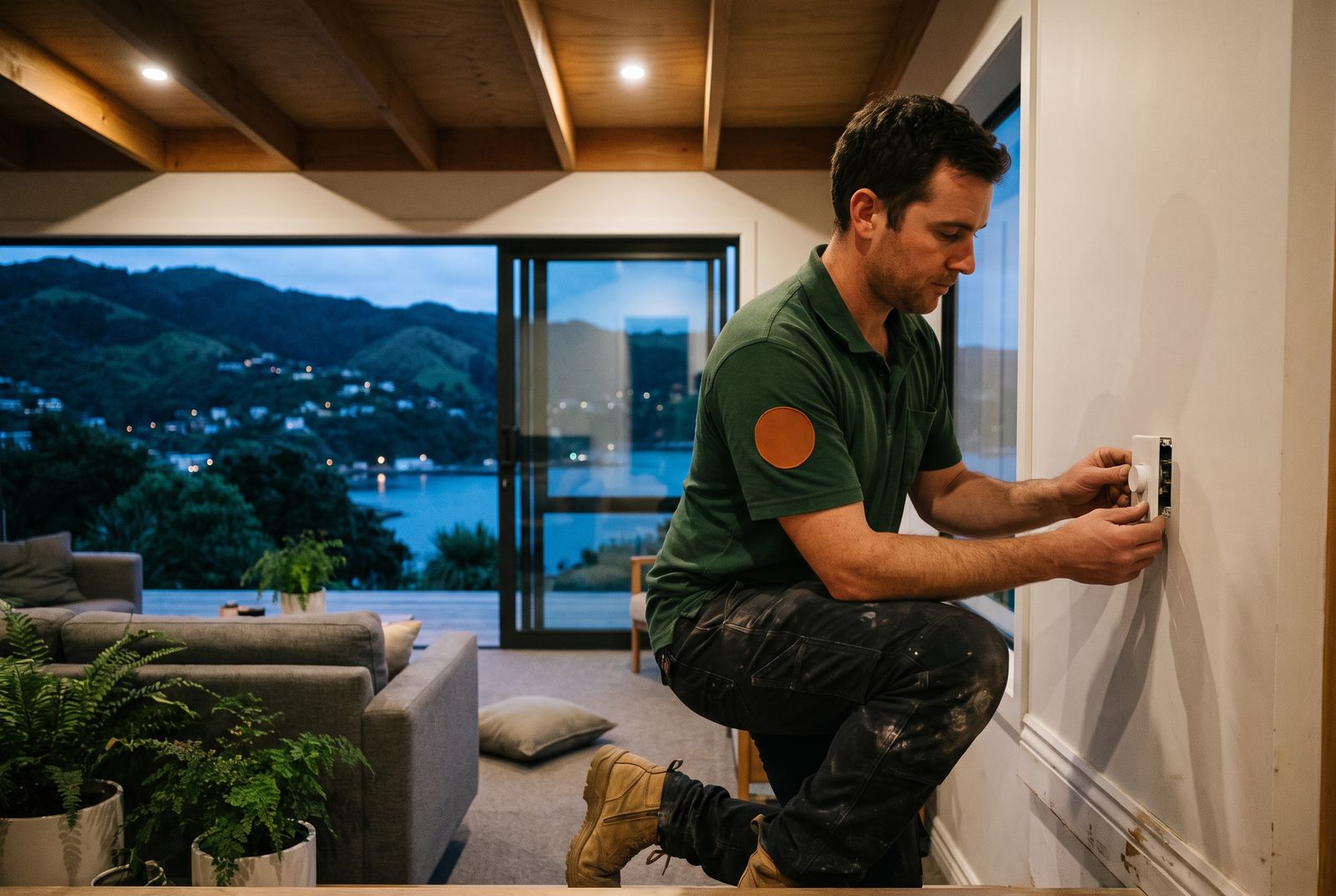 LED LightingLED downlights, pendant and feature lighting, dimmers and smart switches, planned around how each room is used.
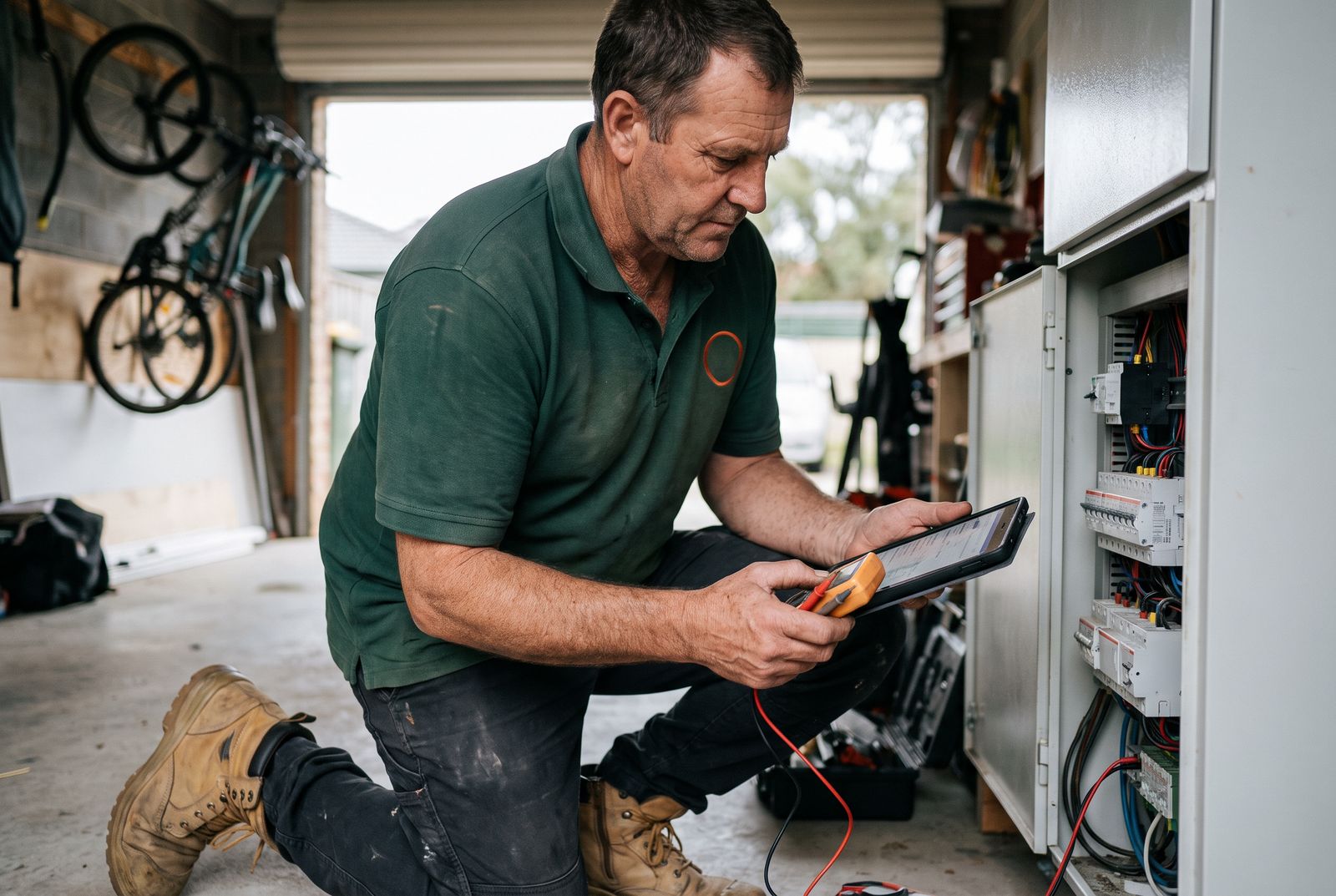 Electrical InspectionsElectrical safety inspections and pre-purchase checks with a written report, covering the switchboard, wiring, RCDs and earthing.
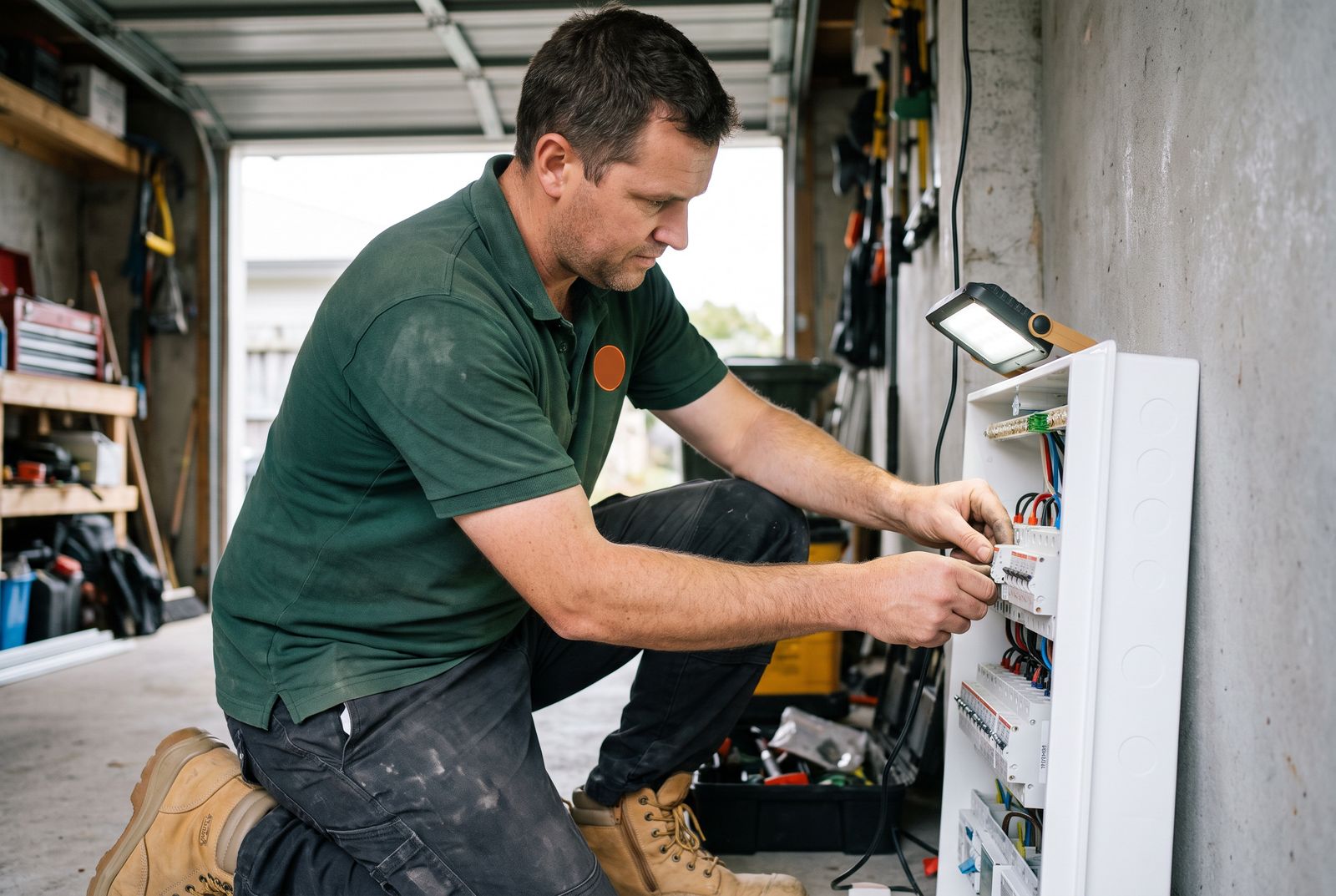 Switchboard UpgradesOld fuse boards replaced with a modern switchboard, circuit breakers and RCD protection, inspected and certified.
Read Next
Backup Power for Wellington Homes: Generators and Batteries
Yes, you can run a home on backup power safely, but a generator must never be fed into the house wiring through a power ...
Read article
Old Wiring in Wellington Houses: Rubber, TRS and Wire Colours
The cable type tells you more about the age of your wiring than its colours. Early NZ homes used Vulcanised Indian Rubbe...
Read article
Smoke Alarm Requirements in NZ: Wellington Homes and Rentals
Every NZ rental must have working smoke alarms within 3 metres of each bedroom door or in every room where someone sleep...
Read article