
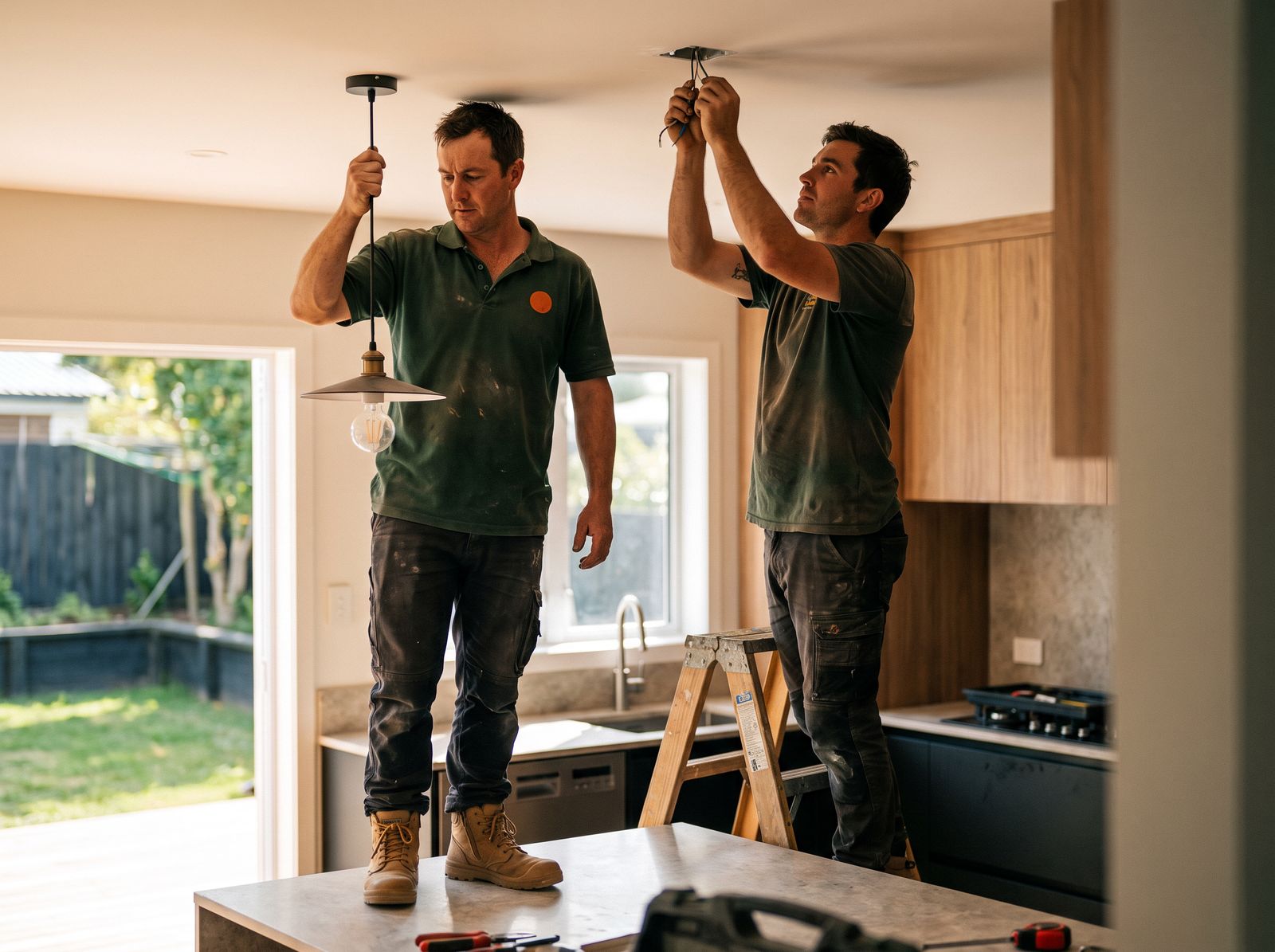
Smoke alarms are one of the few electrical-adjacent topics where the rules for rentals are spelled out in law. They sit in the Residential Tenancies (Smoke Alarms and Insulation) Regulations 2016, and Tenancy Services publishes a plain summary that most landlords and property managers work from.
That matters in Wellington, where large numbers of central city homes are apartments in Te Aro and Thorndon, each with a landlord, tenants and often a body corporate involved. This guide covers the rental rules, who is responsible for what, where alarms should go, whether they need to be hard-wired, how long they last, and what applies to a home you own and live in.
What are the smoke alarm rules for NZ rentals?
Tenancy Services sets out three placement rules for rentals: an alarm within 3 metres of each bedroom door or in every room where a person sleeps, an alarm on each level or storey of a multi-level home, and coverage in all rental homes, boarding houses, rental caravans and self-contained sleep-outs.
New alarms must be photoelectric, have a battery life of at least eight years or be hard-wired, be installed to the manufacturer's instructions and meet international standards. Alarms put in since 1 July 2016 must be long-life photoelectric types. Existing alarms that still work and have not passed their expiry date can stay until they expire, at which point the replacement must meet the current rules.
The penalties are real. Tenancy Services says landlords who do not meet their obligations can face financial penalties of up to $7,200, and tenants up to $4,000.
| Requirement | Rentals (legal minimum) | Fire and Emergency recommendation |
|---|---|---|
| Bedrooms | In the room, or within 3 m of the door | In every bedroom |
| Levels | At least one on each level or storey | Hallways and living areas on every level |
| Alarm type | Photoelectric, 8 year or longer battery, or hard-wired | Long-life photoelectric, ideally interconnected |
| Kitchen, laundry, garage | No specific rule | Heat alarms instead of smoke alarms |
| Replacement | When the alarm passes its expiry date | After 10 years |
Who is responsible for smoke alarms, landlord or tenant?
Both have duties. The landlord must make sure alarms work at the start of each new tenancy and stay in working order during it. The tenant must not damage, remove or disconnect an alarm, must let the landlord know about problems as soon as possible, and must replace dead batteries in older alarms that take replaceable batteries.
Landlords can enter the property to meet the smoke alarm rules, but Tenancy Services says they must give 24 hours' notice and enter between 8am and 7pm. In boarding houses the split is different: the landlord replaces expired batteries in shared areas such as hallways and kitchens, and tenants look after the alarms in their own rooms.
For property managers with several Wellington rentals, the simplest system is a register for each address listing every alarm, where it is, its type and its expiry date. An alarm that expires mid-tenancy is the landlord's problem, so knowing the dates ahead of time saves a scramble.
- Landlord: alarms working at the start of each tenancy and kept working
- Tenant: do not remove or disconnect alarms, report faults promptly
- Tenant: replace batteries in older replaceable-battery alarms
- Both: disputes can go to mediation or the Tenancy Tribunal
Where should smoke alarms go?
At minimum, where the rental rules say: near or in every sleeping room and on every level. Fire and Emergency New Zealand goes further and recommends photoelectric alarms in every bedroom, living area and hallway, with heat alarms in the kitchen, laundry and garage so cooking smoke and dust do not trigger false alarms.
Placement is where good intentions often fail. An alarm next to the bathroom door goes off with every hot shower, and an alarm that keeps going off is the one that ends up in a drawer. Follow the maker's instructions for ceiling or wall mounting and the distance from corners, light fittings and heat pump outlets.
Apartments bring a different question. Many central city buildings in Te Aro and Thorndon have a building-wide fire alarm system, and the alarms inside a unit may or may not be part of it. Before adding or moving anything, check with the body corporate or building manager so a unit alarm does not interfere with the building system.
Smoke alarms sorted for every rental
Cheeky's Electrical installs compliant hard-wired and long-life photoelectric alarms and records each one for landlords and property managers.
Do smoke alarms have to be hard-wired?
Not in an existing rental. The law accepts either long-life photoelectric battery alarms with at least eight years of battery life, or hard-wired alarms. Both meet the rule, and battery alarms are by far the quicker option for an existing home.
New homes are held to a higher standard. MBIE's acceptable solution C/AS1 cites NZS 4514:2021, which calls for interconnected alarms in new homes and consented major alterations, so when one alarm detects smoke they all sound. The link can be wired or wireless. If you are renovating under a building consent, ask your designer early what the consent assumes, because wiring is easiest to run before the linings go back on.
Hard-wired alarms run off the house supply with a backup battery, so there is no main battery to go flat. Installing them is new fixed wiring, so a licensed electrician fits them and issues a Certificate of Compliance. Our smoke alarm installation service covers both hard-wired and long-life battery alarms, and we can tell you which suits the property.
How long do smoke alarms last?
Most modern long-life photoelectric alarms are designed to last about ten years, and Fire and Emergency's advice is to replace smoke alarms after 10 years. The expiry date is printed on the back of the alarm, and Tenancy Services suggests checking it once a year.
Testing is quick. Tenancy Services' advice is to press the test button once a month and listen for the alarm. Fire and Emergency also recommends vacuuming alarms about every six months to clear dust that can cause false alarms. Older alarms with a 9 volt battery need a new battery at least once a year.
When an alarm chirps for no reason or will not sound on test, replace it rather than nursing it along. In a rental, the tenant should tell the landlord, who must replace it with an alarm that meets the current rules.
- Test monthly with the test button
- Vacuum or dust alarms about every six months
- Check the expiry date on the back once a year
- Replace any alarm that fails a test or is past its date
What applies if you own and live in your home?
The tenancy rules only apply to rentals, so an existing owner-occupied home is not covered by them. New homes and consented alterations must meet the Building Code requirements, and for everyone else Fire and Emergency's recommendations are the sensible benchmark.
Hillside houses in suburbs such as Kelburn and Brooklyn can step down the slope over several levels, so a lower floor with a garage or spare room is easy to forget. Treat every level as needing its own alarm, whether or not anyone sleeps there.
If you are selling, working alarms in the right places tidy up one more item on a buyer's list. A general electrical inspection can include a check of alarm types, positions and expiry dates alongside the switchboard and wiring.
When should you call an electrician about smoke alarms?
Call an electrician when you want hard-wired or interconnected alarms, when a renovation is opening up ceilings, or when you manage several properties and want the work done and recorded in one go. Battery alarms can be fitted by anyone; hard-wired ones cannot.
Cheeky's Electrical fits hard-wired and long-life alarms across the region, and for landlords we leave a record of each alarm's position, type and expiry date for every address. If your rentals are in the inner city, see our page for an electrician in Central Wellington, or book online and we will confirm a time.
Frequently Asked Questions
Do self-contained sleep-outs need smoke alarms?
Yes, if they are part of a rental. Tenancy Services lists rental homes, boarding houses, rental caravans and self-contained sleep-outs as places where working smoke alarms are compulsory, so a sleep-out used as a bedroom needs its own alarm.
Can a tenant take down a smoke alarm that keeps going off?
No. Tenants must not damage, remove or disconnect an alarm. If it keeps sounding while you cook or shower, tell the landlord, who may move it, replace it or fit a heat alarm where the rules allow.
Are ionisation smoke alarms allowed in rentals?
Existing working alarms can stay until they expire. Any new alarm installed in a rental must be photoelectric with at least an eight year battery, or hard-wired, so an ionisation alarm cannot be used as a replacement.
Do I need a Certificate of Compliance for smoke alarms?
Only for hard-wired alarms, because they involve new fixed wiring. Screwing a battery alarm to the ceiling is not electrical work and does not need one. Keep a note of the date fitted either way.
Should smoke alarms be interconnected in an older house?
It is not required for an existing rental, but Fire and Emergency recommends it. Wireless interconnected alarms can link rooms without new cabling, which suits older Wellington houses where running wires through finished walls is awkward.
Our Services
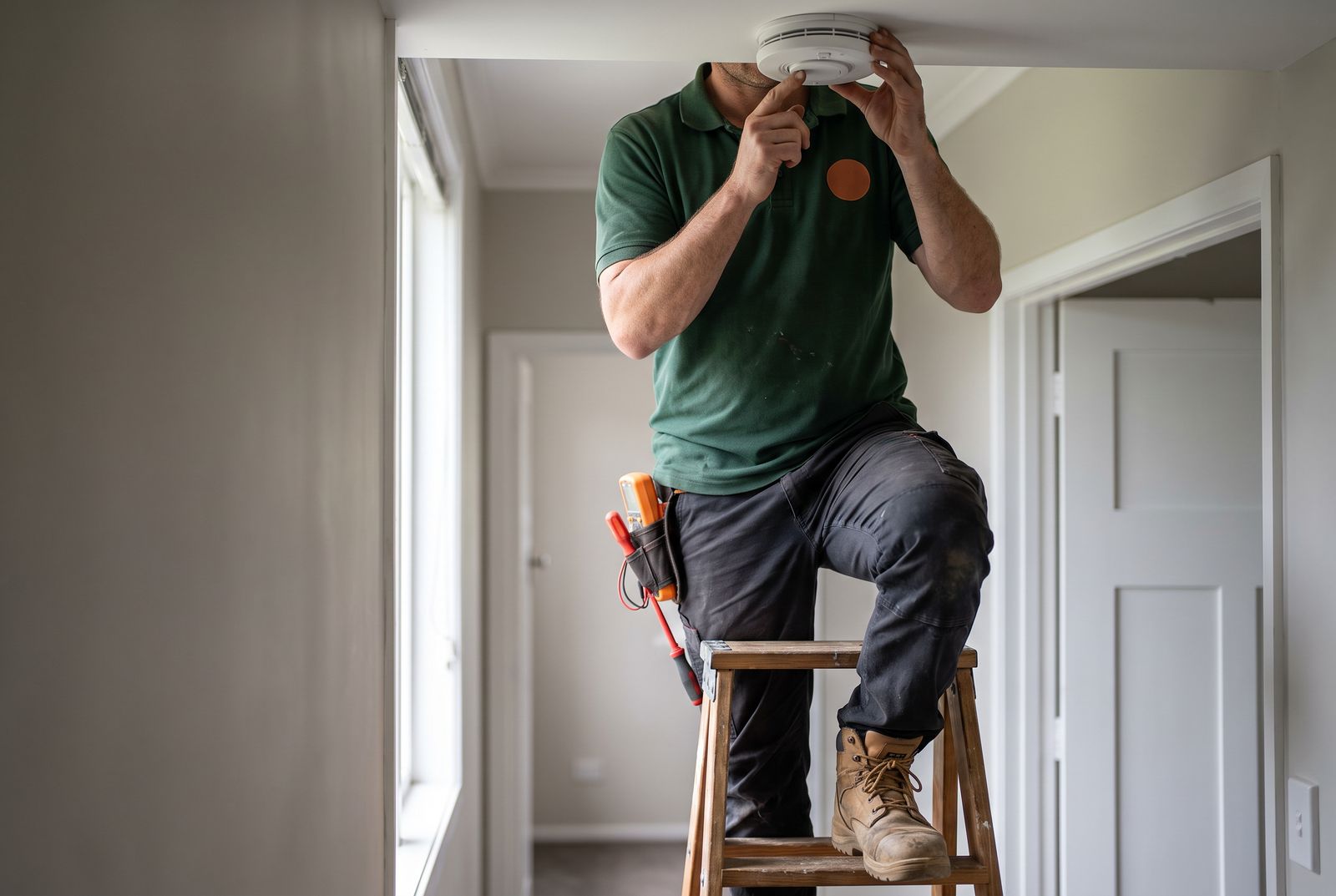 Smoke Alarm InstallationHard-wired and long-life photoelectric smoke alarms installed in the right places, including rentals that must comply.
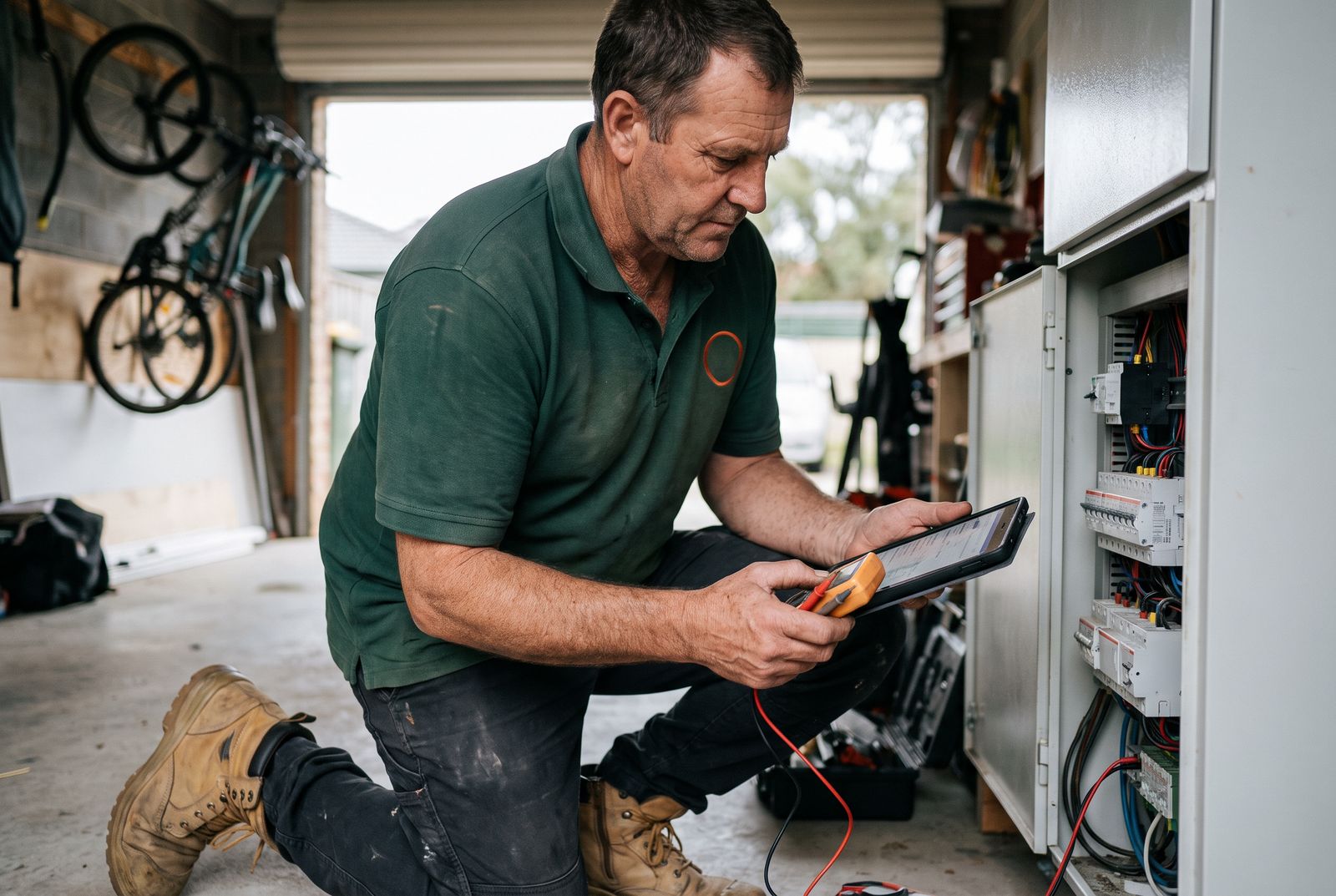 Electrical InspectionsElectrical safety inspections and pre-purchase checks with a written report, covering the switchboard, wiring, RCDs and earthing.
Read Next
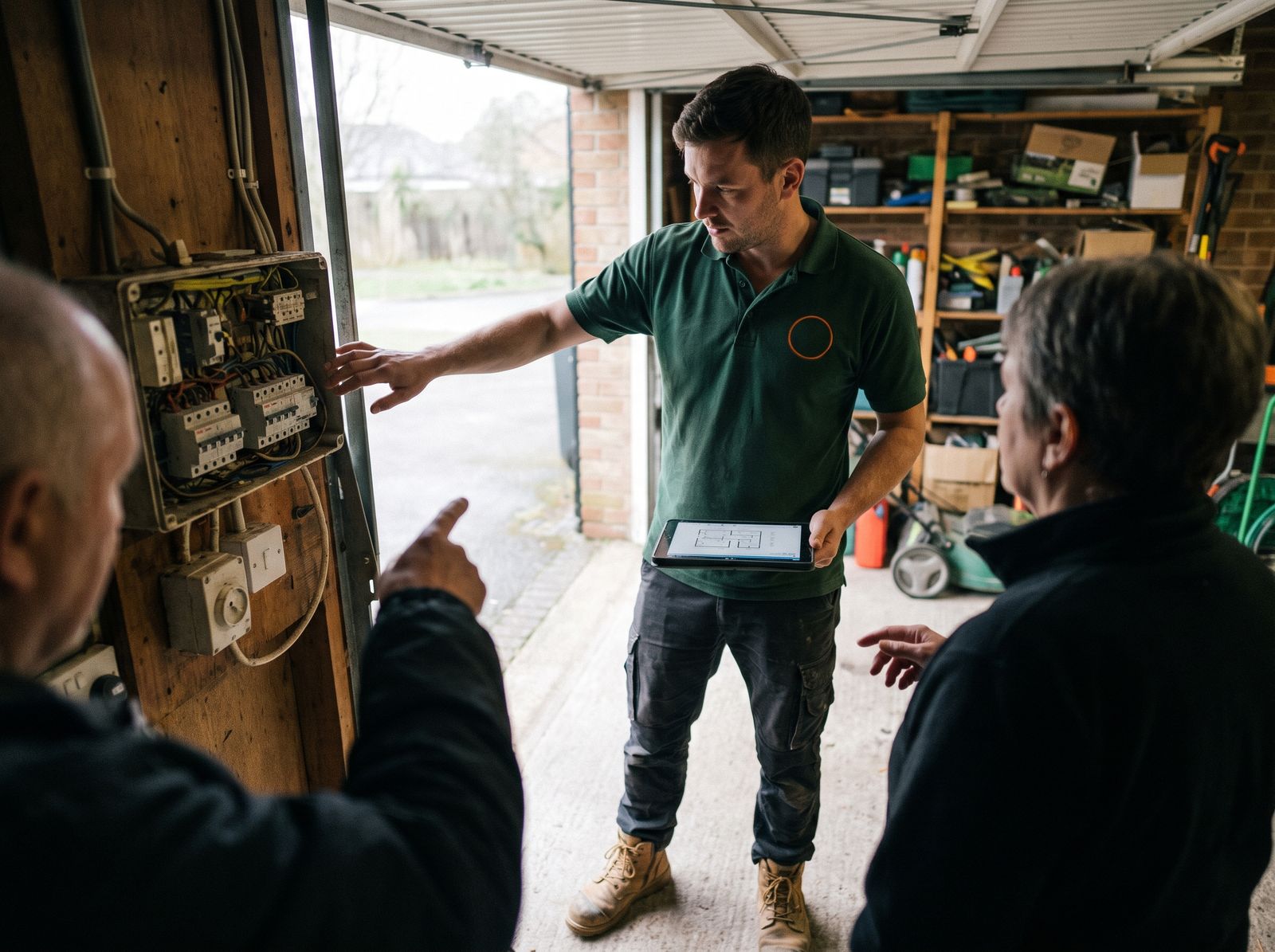
Electrical CoC and ESC: What You Should Get After Electrical Work
After most fixed wiring work in New Zealand you should receive two documents. The Certificate of Compliance (CoC) record...
Read article
Old Wiring in Wellington Houses: Rubber, TRS and Wire Colours
The cable type tells you more about the age of your wiring than its colours. Early NZ homes used Vulcanised Indian Rubbe...
Read article
Why Is My Power Bill So High in a Wellington Winter?
Most Wellington power bills rise in winter because heating and hot water, which Gen Less says make up about two-thirds o...
Read article