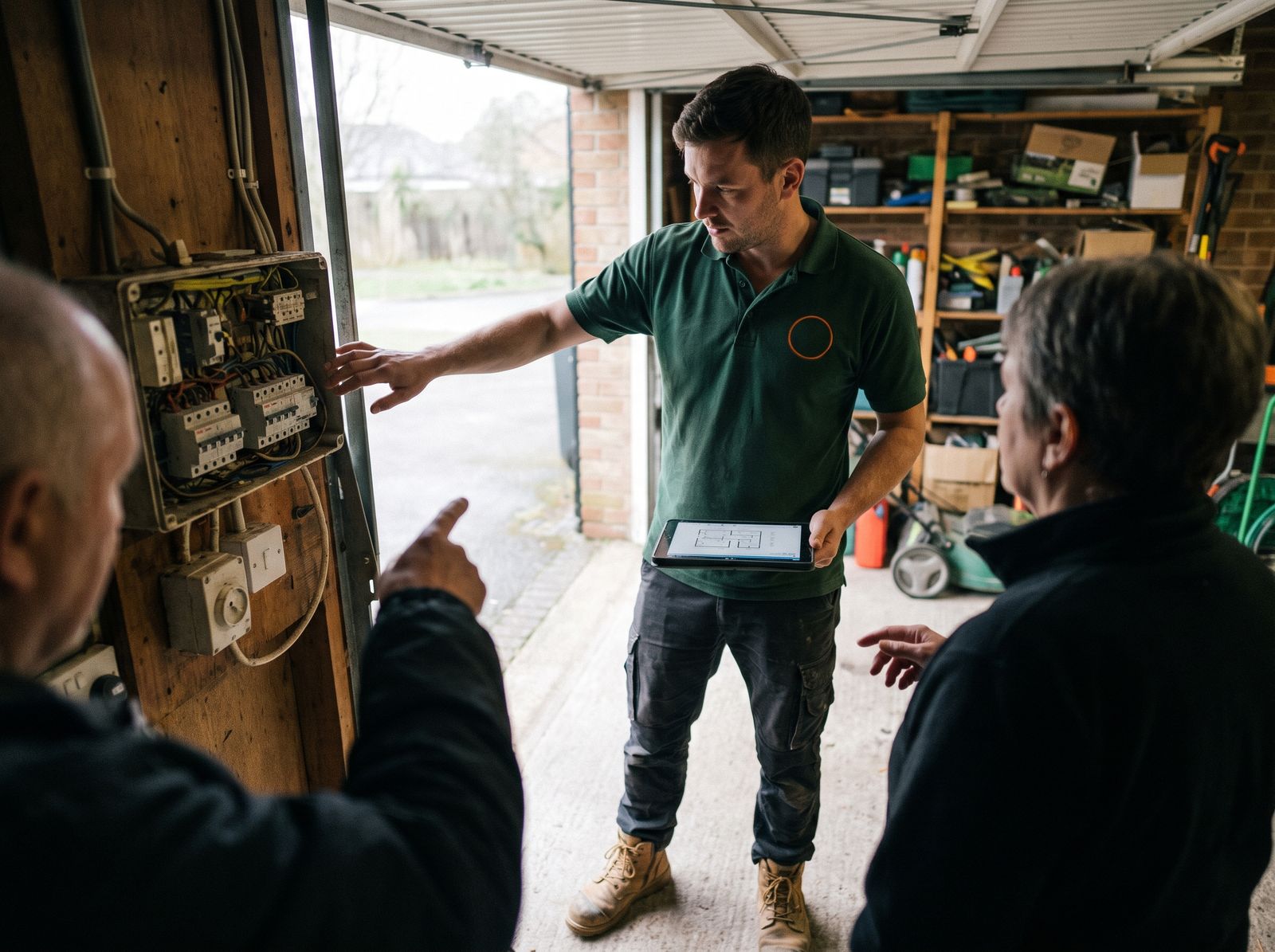
Paperwork is easy to forget once the lights are on, but these certificates are the only proof your wiring was done properly. WorkSafe says a CoC may be needed for insurance claims or when you sell, and buyers are advised to ask for every CoC on a house before they commit.
This guide explains what each document is, which jobs need which paperwork, why Wellington Electricity wants a copy after a solar install, and what to do when you find wiring nobody can account for.
What is an electrical Certificate of Compliance?
A Certificate of Compliance is the document a licensed electrician must give you after fixed wiring work, such as a new power point, a new circuit or a rewire. WorkSafe describes it as confirmation that the work was done by a licensed electrician, meets the safety standards set by law and has been tested.
It is issued by the person who did or supervised the work, and it describes what was done and where. It is not a general certificate for the whole house. A CoC for a new heat pump circuit says nothing about the 1950s lighting in the hallway, which is why a buyer should read what each certificate actually covers.
CoCs are not issued for maintenance, such as swapping a socket or a light fitting for the same type. WorkSafe uses exactly those examples. If an electrician adds something new or alters a circuit, though, it is no longer maintenance and a CoC is required.
- Who did the work, with their registration and licence details
- The address and the part of the installation worked on
- The standard the work was done to and the test results
- Whether the work also needs an inspection
What is an Electrical Safety Certificate?
An Electrical Safety Certificate confirms that the installation, or the part that was worked on, is connected and safe to use. Under the Electricity (Safety) Regulations, it is issued once the work is connected to supply and the person issuing it is satisfied it is safe.
The difference is timing and purpose. The CoC is about how the work was done and tested; the ESC is the go-ahead to use it. On a straightforward job, such as an extra double socket in a bedroom, both are often handed over together at the end of the visit. On a bigger job, such as a new house or a rewire done in stages, the ESC follows once each part is livened.
If you only ever get one piece of paper, ask about the other. Both belong in the same folder as your house insurance and title documents.
When do I need a CoC, and when is an inspection needed too?
You need a CoC for any new fixed wiring or alteration, from a single new socket upwards. Some work goes a step further: WorkSafe says work on the main switchboard, the main cable and the main earth must also be inspected, and the electrician you hire is responsible for arranging a licensed electrical inspector.
The inspector's record of inspection sits alongside the CoC. That is why a switchboard upgrade takes a little longer to close off than a new power point. The Electricity (Safety) Regulations group prescribed electrical work into risk categories, and the higher-risk work is the work that gets independently checked.
The wiring standard behind all of this changed recently. WorkSafe notes that amended regulations came into effect on 13 November 2025, citing AS/NZS 3000:2018, and that work where construction begins after 12 November 2026 must meet the new version. Existing installations can stay as they are while they are not unsafe; only the parts that are changed must meet the newer standard.
| Job | Certificate of Compliance | Also expect |
|---|---|---|
| Replacing a socket or light fitting like for like | No, this is maintenance | Nothing further |
| New power point, circuit or outdoor socket | Yes | Electrical Safety Certificate |
| Switchboard replacement or main earth work | Yes | Inspection by a licensed electrical inspector |
| Hard-wired smoke alarms | Yes, it is new fixed wiring | Electrical Safety Certificate |
| Battery-only smoke alarms | No, it is not electrical work | Nothing further |
| Grid-connected solar | Yes | Record of inspection, sent to the lines company |
Need paperwork you can rely on?
Cheeky's Electrical certifies every fixed wiring job and arranges inspections where the law requires them, across the Wellington region.
Why does Wellington Electricity ask for a CoC after a solar install?
Because a solar system connects to its network, and the lines company needs evidence that the system was installed to its connection standards before it is relied on. For systems of 10 kW or less, Wellington Electricity's process is to apply online before installing, install to its standards, then email it the record of inspection and the CoC.
This applies across Wellington City, the Hutt Valley and Porirua, which are all on Wellington Electricity's network. Since 11 May 2026 it has also used flexible export limits, so an owner may be asked to drop export to 5 kW when parts of the network are congested. On the Kāpiti Coast, Electra approves the connection instead, and its process ends with the system being installed, tested and certified.
For you, the practical point is to make sure the paperwork is sent and to keep your own copies. If a solar system was fitted before you bought the house, ask the vendor for its CoC and inspection record along with everything else. Our solar installation work includes the network application and the certificates at the end.
What if a previous owner did unpermitted work?
Get it checked before anything else is added to it. A CoC can only come from the licensed person who did or supervised the work, so a new electrician cannot simply sign off somebody else's wiring after the fact. What they can do is inspect and test it, then repair or redo what needs it and certify that new work.
Homeowners are allowed to do a limited amount of wiring on their own home, but WorkSafe says it must follow the electrical code of practice ECP51 strictly, and it warns that getting it wrong can cause shock or fire. Anything beyond that, done by an unlicensed person, is the kind of work an inspection should look at closely.
This comes up often in Wellington's older houses. In Mt Victoria and Newtown many villas and cottages have been renovated several times, so one house can hold a modern kitchen circuit, a sleep-out run off an extension and some original rubber cable. A thorough electrical inspection sorts out which parts are fine, which need work and which have no paperwork at all, and the written report helps when you sell.
- Look for joins and extensions that do not match the rest of the wiring
- Check for circuits with no label on the board
- Ask the vendor or previous owner for any CoCs they hold
- Have anything uncertain tested before you rely on it
How do you check the electrician and the paperwork?
Ask to see the electrician's practising licence, then check it on the Electrical Workers Registration Board register. WorkSafe notes that the licence colour changes every two years, which makes an expired card easier to spot.
Cheeky's Electrical issues a CoC for every job that needs one and arranges the inspection where the rules require it, so the paperwork arrives with the finished work rather than weeks later. In central city apartment buildings in Te Aro, work on common property such as risers and main boards also needs body corporate approval, and we sort that out before we start.
If you have a problem with electrical work, WorkSafe's advice is to raise it with the person or company who did it first, and then make a formal complaint to the EWRB if it is not resolved. If you want an independent view, book an inspection online and we will look at the work and tell you what we find.
Frequently Asked Questions
Is a CoC the same as a Code Compliance Certificate?
No. A Code Compliance Certificate comes from the council for building work done under a building consent. An electrical Certificate of Compliance comes from the licensed electrician and covers only the electrical work. A renovation can need both.
How long should I keep an electrical CoC?
Keep it for as long as you own the house, and pass it on when you sell. WorkSafe says it may be needed for insurance claims or a sale, and it is the clearest record of who did the work and what standard they used.
Can I get a CoC for a light fitting I installed myself?
Not from an electrician who did not do the work. If you want certainty, have it checked and, if needed, refitted by a licensed electrician, who can then certify their own work. Swapping a fitting like for like is maintenance, but new wiring is not.
Do I get a CoC after an appliance repair?
No. WorkSafe lists repairing appliances as maintenance that does not need a CoC. If the repair involves new fixed wiring, such as a new circuit for a replacement oven, that wiring does need one.
What happens if an electrician refuses to give me a CoC?
For fixed wiring work they are required to provide one. Ask in writing first. If that does not work, WorkSafe's guidance is to lay a complaint with the Electrical Workers Registration Board, which deals with the conduct of licensed electrical workers.
Our Services
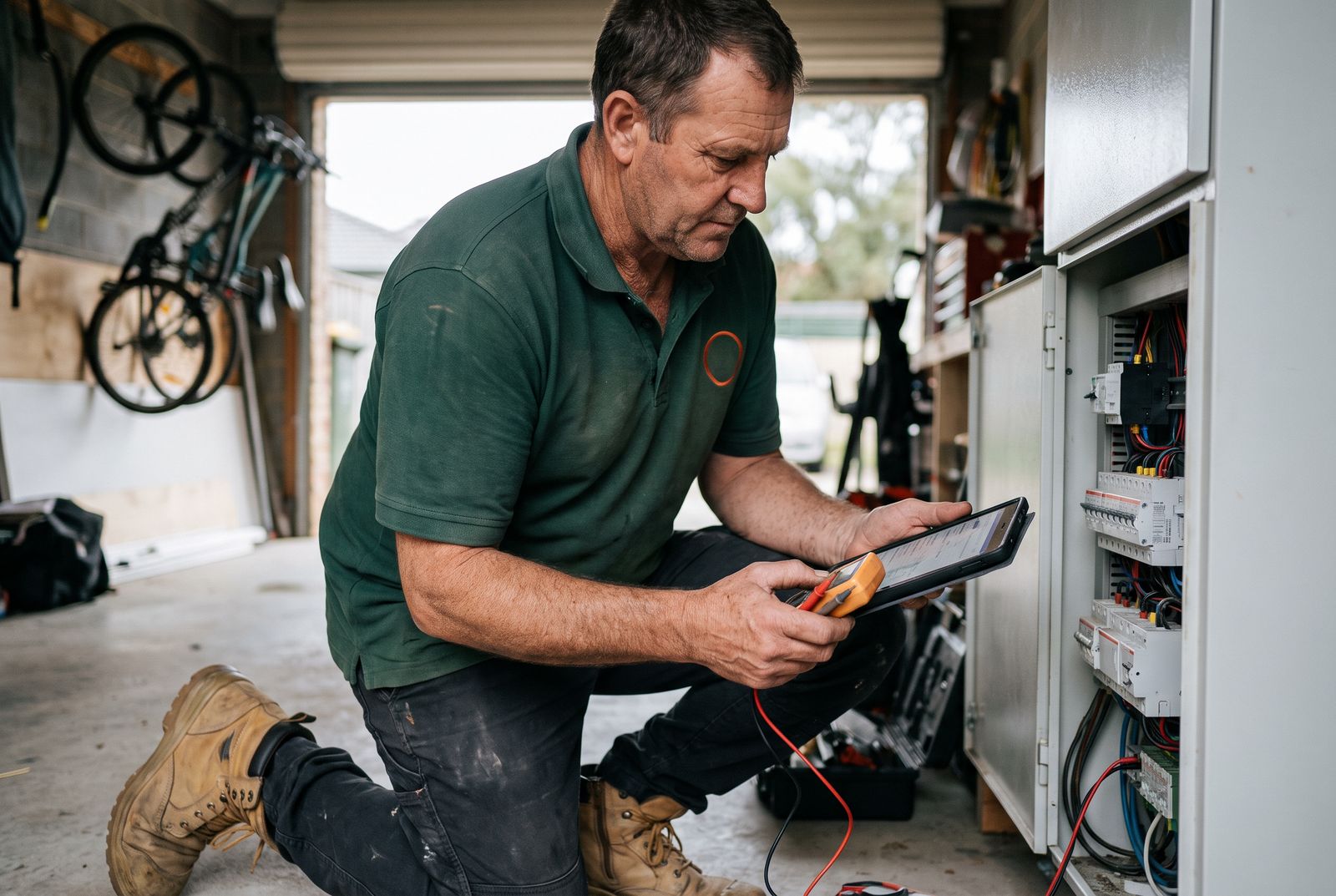 Electrical InspectionsElectrical safety inspections and pre-purchase checks with a written report, covering the switchboard, wiring, RCDs and earthing.
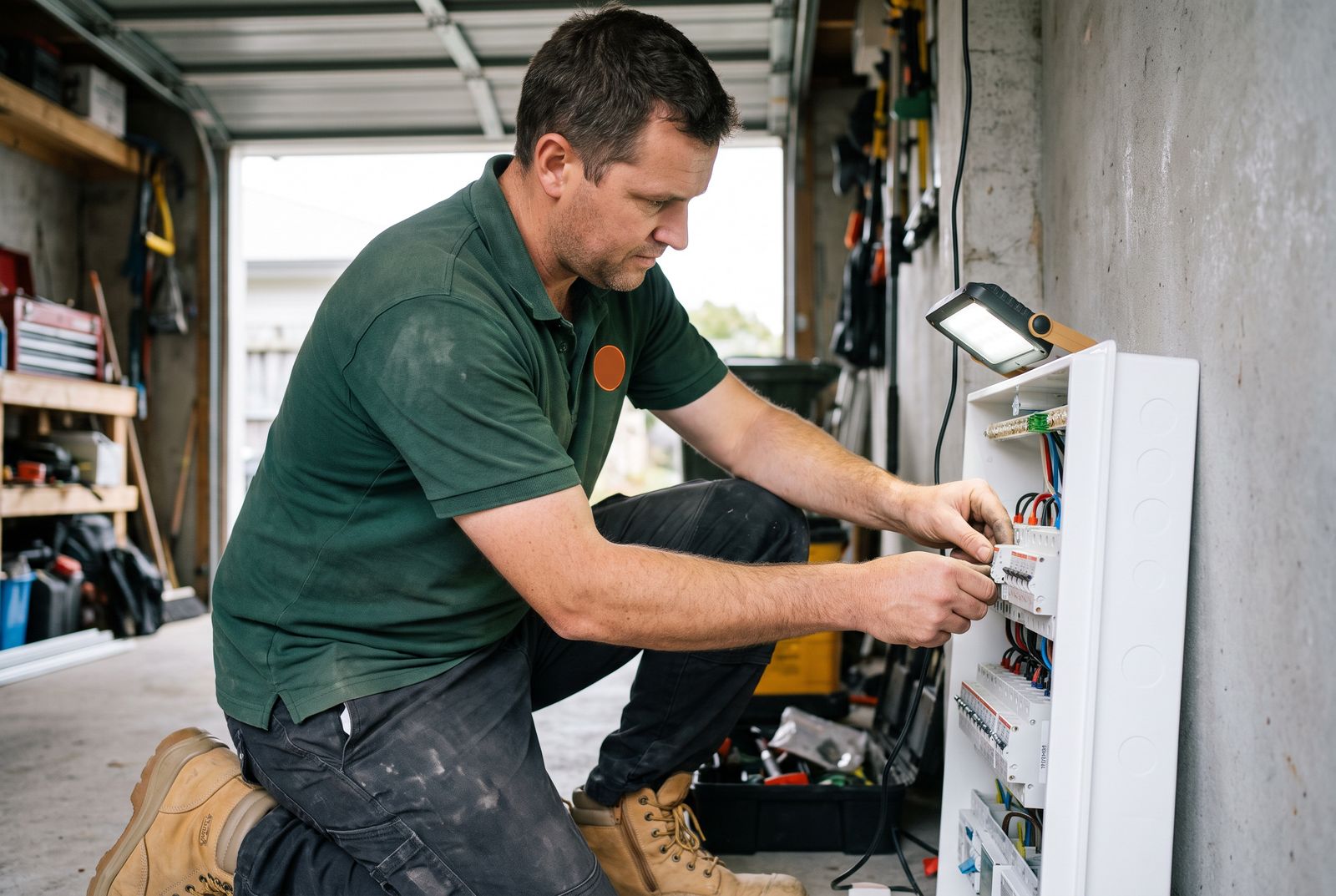 Switchboard UpgradesOld fuse boards replaced with a modern switchboard, circuit breakers and RCD protection, inspected and certified.
 Solar PanelsSolar panel systems and home batteries sized to your power use, installed and connected by licensed electricians.
Read Next
Backup Power for Wellington Homes: Generators and Batteries
Yes, you can run a home on backup power safely, but a generator must never be fed into the house wiring through a power ...
Read article
Old Wiring in Wellington Houses: Rubber, TRS and Wire Colours
The cable type tells you more about the age of your wiring than its colours. Early NZ homes used Vulcanised Indian Rubbe...
Read article
Selling Solar Power Back in Wellington: Export Limits and Buy-Back Rates
Your retailer pays a buy-back rate for each unit of solar power you send to the grid, and that rate is usually lower tha...
Read article