Wellington has more reasons than most cities to think about backup power. NIWA's climate summary for the city records gusts above 96 km/h at Wellington Airport on about 24 days a year, gales can arrive in any month but are most frequent in winter, and the Wellington Fault runs through the city and up the Hutt Valley. A long outage after a big storm or a strong earthquake is a realistic thing to plan for.
This guide covers how to connect a generator safely, what a changeover switch does, how to size a generator without guesswork, when a battery makes more sense, and why the lines company cares so much about backfeeding.
Can I plug a generator into my house wiring?
Not by yourself, and never through a socket. Feeding a generator into a power point with a double-ended lead puts live pins on an exposed plug and can push power back out along the service line to the street.
WorkSafe's technical bulletin on connecting a generator after an emergency says the connection to a building's wiring must be made by a licensed electrical worker. It also says generators with 10 amp socket outlets should only run small loads, such as lighting or a single appliance, and must not be connected to the main switchboard or installation wiring unless a permanent connection point with a changeover switch has been installed to AS/NZS 3010.
Until that is in place, run the generator outside, away from doors and windows, and plug appliances straight into it with heavy-duty leads. WorkSafe is clear that a generator must never run in an indoor space where people are present, and that includes an internal garage. In a Wellington southerly that means finding a sheltered spot outdoors, not wheeling it inside to keep it dry.
- Run the generator outdoors, never in an internal garage or under the house
- Plug appliances directly into the generator's own outlets
- Use leads rated for the load and keep plug joins out of the rain
- Never back-feed a power point with a double-ended plug
What is a generator changeover switch and do I need one?
A changeover switch lets the house run from either the network or a generator, but never both at once. You need one if you want a generator to power fixed circuits, such as lights, the fridge circuit or a heat pump, through the switchboard.
The switch sits at or beside the main board, with an inlet socket on an outside wall for the generator lead. In one position the house is on the network as normal. In the other, the network supply is disconnected and the generator feeds the circuits you have chosen. Because the two sources can never meet, nothing from the generator can travel back up the service line.
Fitting an inlet and changeover is fixed wiring work, so a licensed electrician installs, tests and certifies it. It often makes sense to combine it with a switchboard upgrade when the old board is full or still on fuses, because the work happens in the same spot and the essential circuits can be grouped cleanly.
A permanently installed standby generator that starts by itself is a bigger project. Wellington Electricity lists permanent backup generators among the connections it must be involved in, so the design goes through your retailer and the lines company before anything is built. On the Kāpiti Coast the lines company is Electra, so check its requirements first.
What size generator runs a fridge, lights and a heat pump?
Size a generator by adding up the running power of everything you want on at the same time, then allowing for the start-up surge of anything with a motor or compressor. A fridge and some LED lights are a modest load. Add a heat pump, a kettle or an oven and the size climbs quickly.
The figures are on each appliance's rating plate or in its manual. Fridges, freezers, pumps and heat pump compressors draw a burst of extra current as they start, so a generator that handles the running total can still stall when the fridge kicks in. That is why generator makers quote both a running and a surge rating.
WorkSafe's bulletin sets a firm rule for whole-house connections: the maximum demand of the installation must not exceed the generator's rating. In practice the electrician wiring your changeover will usually put only the essential circuits on the generator side, so nobody can overload it by switching on the oven.
Heating is the hard part. Winter is Wellington's wettest season and a winter outage is cold, but running a heat pump needs far more generator than lights and a fridge do. Many households plan to keep one room warm rather than the whole house, which keeps the generator size and the fuel bill down.
| Load | What to check | Why it matters |
|---|---|---|
| Fridge or freezer | Running watts and start-up surge | The compressor start is the usual sizing trap |
| LED lighting | Total watts of the lights you actually need | Usually a small share of the load |
| Heat pump | Rated electrical input on the label, not heating output | The biggest load most homes want on backup |
| Kettle, toaster, oven | Element rating in watts | Run one at a time on a small generator |
| Medical equipment | Maker's power and supply quality requirements | Ask the supplier before relying on a generator |
Plan your backup power
Cheeky's Electrical fits generator inlets and changeover switches and wires backup circuits for batteries, with a fixed price before any work starts.
Is a home battery a better backup than a generator?
A battery is quieter, needs no fuel and can switch over automatically, but it only helps in an outage if the system is designed for backup. A generator keeps going as long as you have fuel, which matters in a long outage after a major event.
Grid-connected solar inverters are built to shut down when the network goes off, so they cannot feed lines that crews believe are dead. The Electricity (Safety) Regulations cite AS/NZS 4777 for these grid-connected systems. To keep circuits running in an outage, a battery system needs a backup output plus isolation that separates the house from the network first, and it usually supplies a smaller set of backup circuits rather than everything.
Because a battery stores a fixed amount of energy, it suits short outages and essential loads: the fridge, lights, the modem and phone charging. It will not run a heat pump for days. If you are planning solar panels and a home battery, ask for backup capability at the design stage, because adding it later can mean a different inverter. A battery also lets you use more of your own solar, which helps under the flexible export limits Wellington Electricity introduced on 11 May 2026.
Why is backfeeding dangerous for line workers?
Backfeeding is when a generator pushes power out of a house and back up the service line. Crews repairing lines after a storm may be working on conductors they have isolated and believe are dead, and a backfeeding generator can make them live without warning.
Power that leaks back through the local transformer can also appear on the network side at a much higher voltage than the generator produces. That is why WorkSafe's guidance requires the incoming phase and neutral to be disconnected and isolated before a generator is connected, so electricity cannot feed back into the service line and the network.
Backfeeding can also damage the generator and your appliances if network power returns while the generator is still connected. WorkSafe's bulletin says that before network power is restored, the temporary conductors must be removed and the board returned to normal. A properly installed changeover switch handles this by design, and it protects crews working on the lines in your street who will never know your generator is there.
When should you call a licensed electrician about backup power?
Call before the outage, not during it. Fitting an inlet and changeover, labelling the essential circuits and testing the setup takes planning, and it is far easier on a calm day than halfway through a gale.
Cheeky's Electrical can look over your switchboard, suggest which circuits belong on the backup side and give you a fixed price for the inlet, the changeover and any board work. Older houses in suburbs such as Karori and Thorndon often have boards that were added to over the years rather than replaced, so the board is usually part of the conversation.
If you live up the coast, our page for electricians on the Kāpiti Coast covers the area we work in there. If a storm has already done damage, such as water in the switchboard or a line pulled off the house, use our emergency electrician service and do not try to run a generator through the board. For planned work you can book a visit online at a time that suits you.
Frequently Asked Questions
Can I run a petrol generator in the garage during a storm?
No. WorkSafe says a generator must never be used in an indoor space where people are present, and that includes an internal garage, because exhaust gases build up. Put it outside in a ventilated, sheltered spot and run leads to the appliances you need.
Does a generator inlet need a Certificate of Compliance?
Yes. An inlet and changeover switch are fixed wiring, so the licensed electrician who installs them issues a Certificate of Compliance and an Electrical Safety Certificate once the work is connected and tested. Keep both with your house papers for insurance and resale.
Will my solar panels keep working in a power cut?
Usually not. Standard grid-connected inverters switch off when the network goes down so they cannot feed the lines. Only systems with a backup output and the right isolation keep selected circuits running, so check what your inverter can do before relying on it.
Can a generator run my electric hot water cylinder?
It can, but a cylinder element draws a lot of power for a long time, so it needs a larger generator than most households own. Many people leave the cylinder off the backup circuits and boil water on a gas or camping stove until the power returns.
Do I need to tell anyone about a portable generator?
Not for a portable generator running appliances on leads. A permanently installed standby generator is different: Wellington Electricity must be involved, and the request goes through your power retailer before the work is done.
Our Services
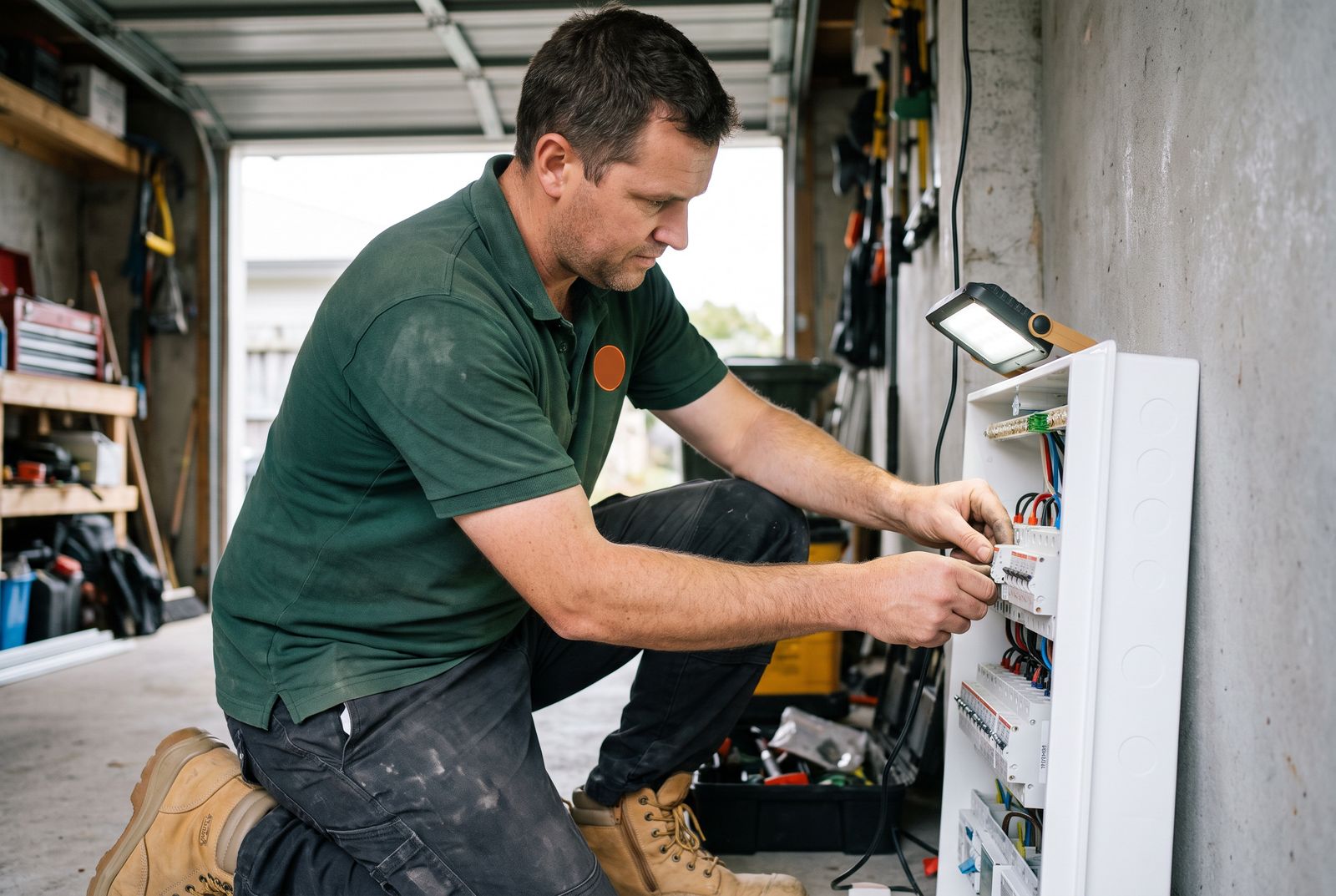 Switchboard UpgradesOld fuse boards replaced with a modern switchboard, circuit breakers and RCD protection, inspected and certified.
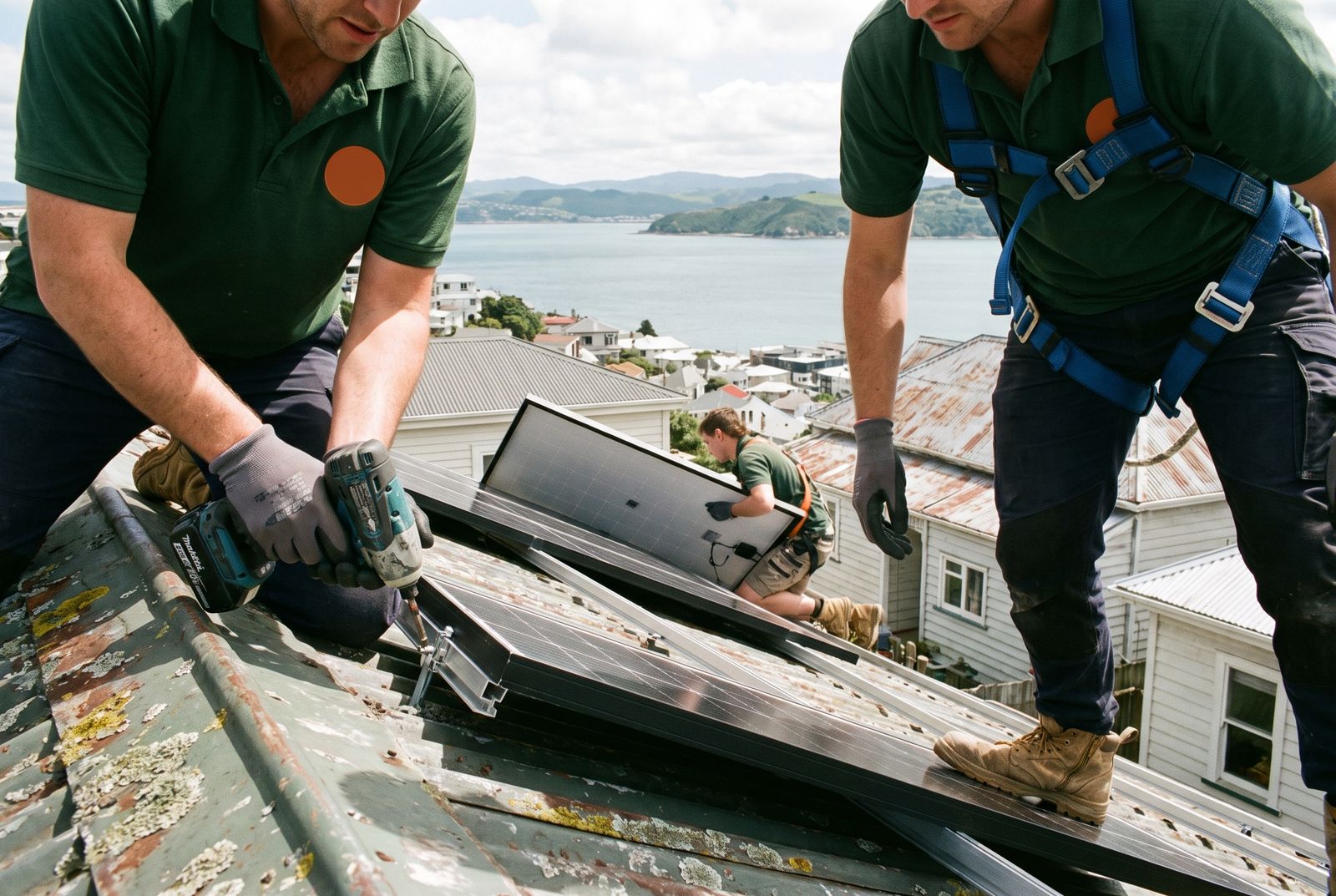 Solar PanelsSolar panel systems and home batteries sized to your power use, installed and connected by licensed electricians.
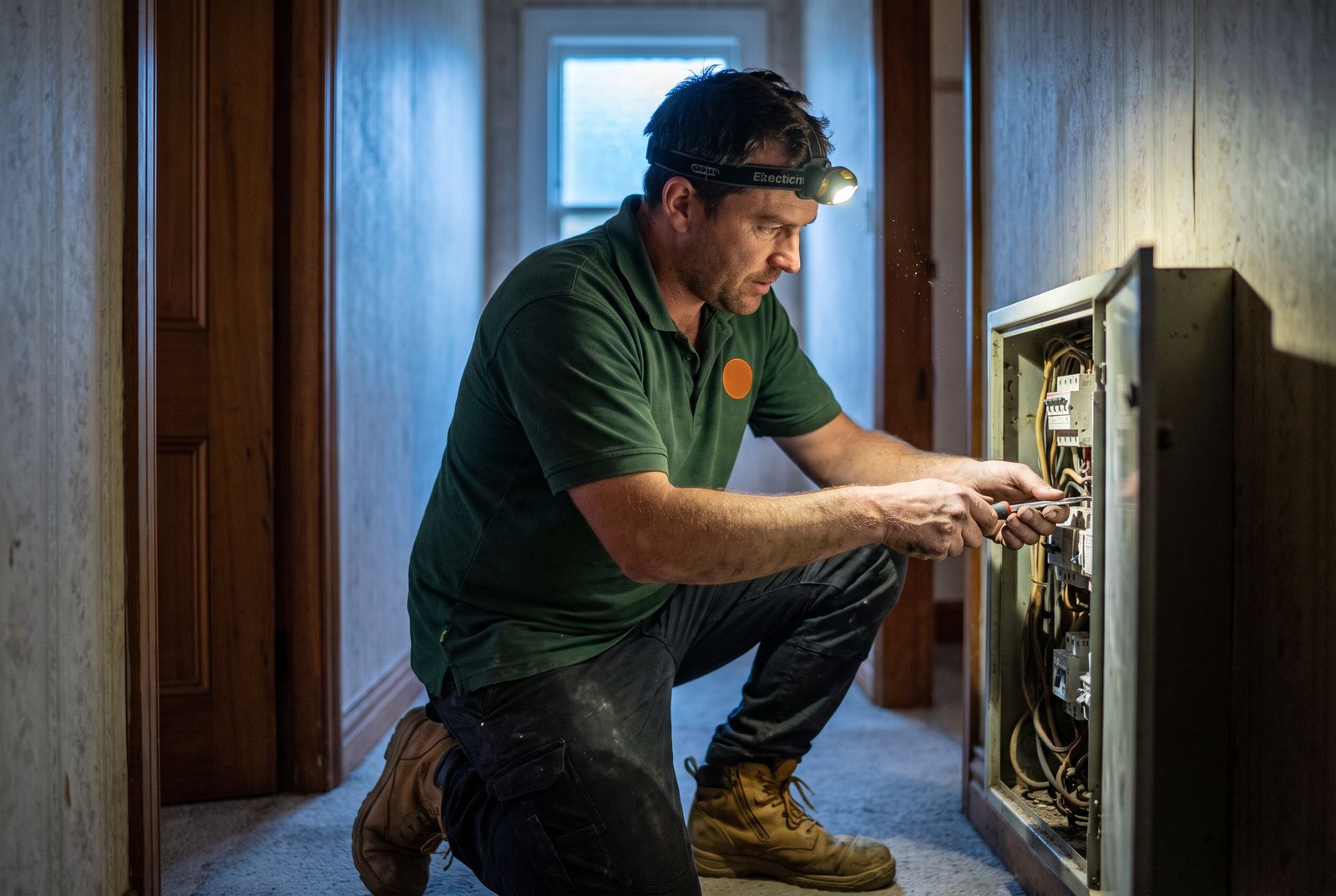 Emergency ElectricianPower out, sparks, a burning smell or a breaker that will not reset?
Read Next
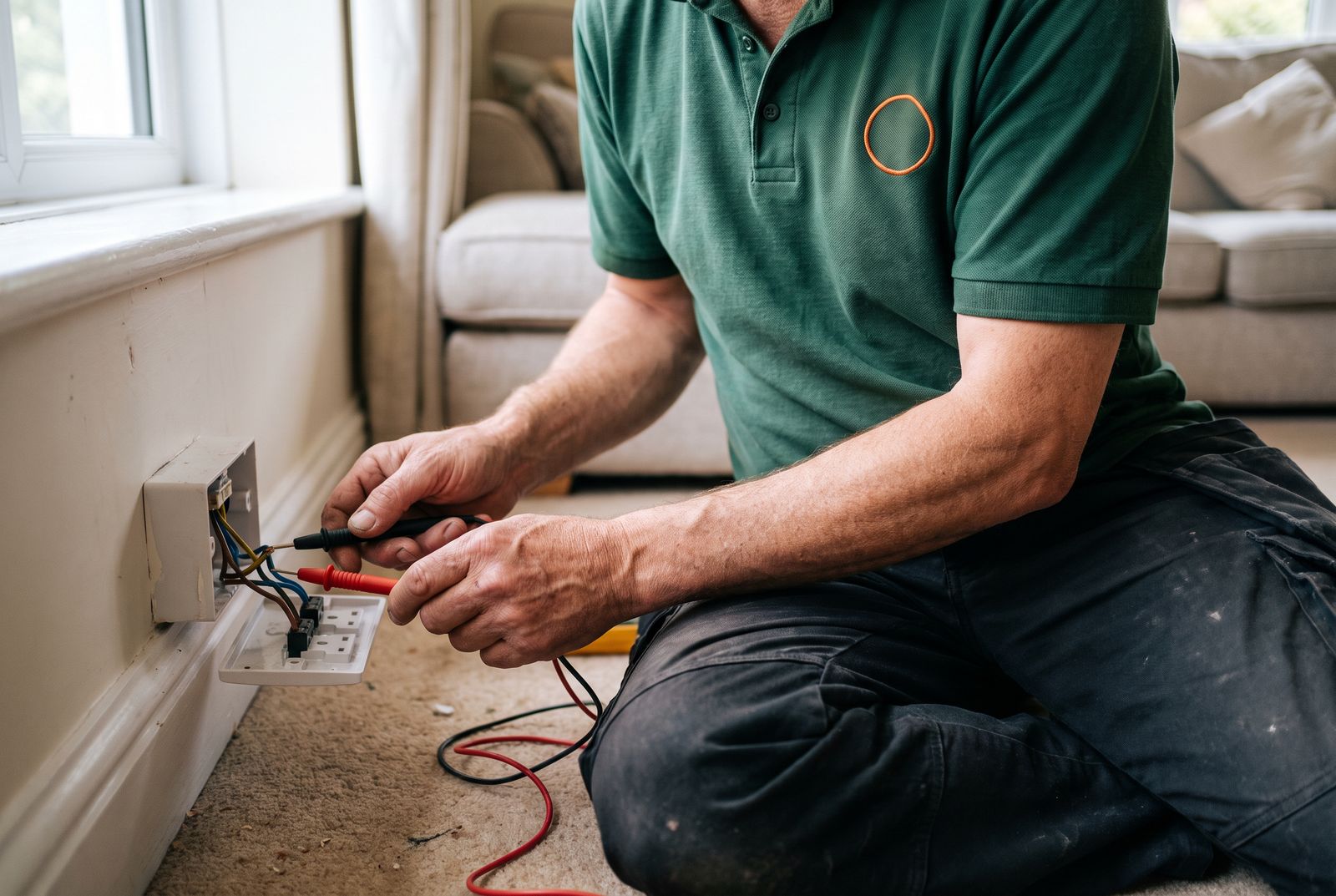
Trees, Wind and the Power Line to Your House: Who Is Responsible?
In New Zealand the tree owner is responsible for keeping trees clear of power lines, under the Electricity (Hazards from...
Read article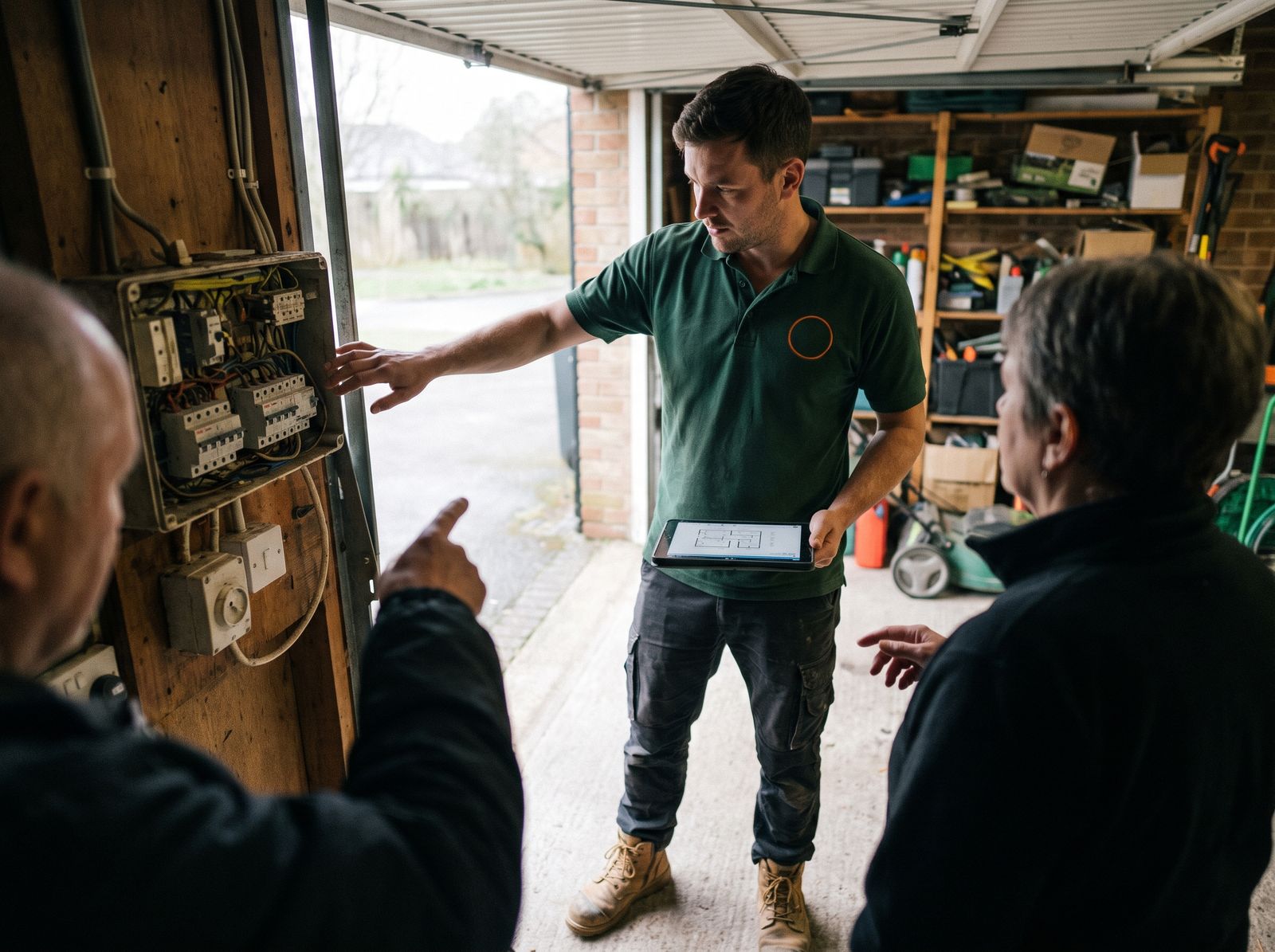
Electrical CoC and ESC: What You Should Get After Electrical Work
After most fixed wiring work in New Zealand you should receive two documents. The Certificate of Compliance (CoC) record...
Read article
Power Out in Wellington? How to Tell If It's Your House or the Network
If your neighbours and the streetlights are dark too, it is almost certainly a network outage: check Wellington Electric...
Read articleSources
- WorkSafe: Connecting a generator to the wiring of a house or building following an emergency (technical bulletin, March 2023)
- Wellington Electricity: Getting connected
- Wellington Electricity: Small systems of 10 kW or less
- WorkSafe: Changes to Electricity Safety Regulations for electrical installations (19 December 2025)
- NIWA: The Climate and Weather of Wellington (2nd edition, 2014)