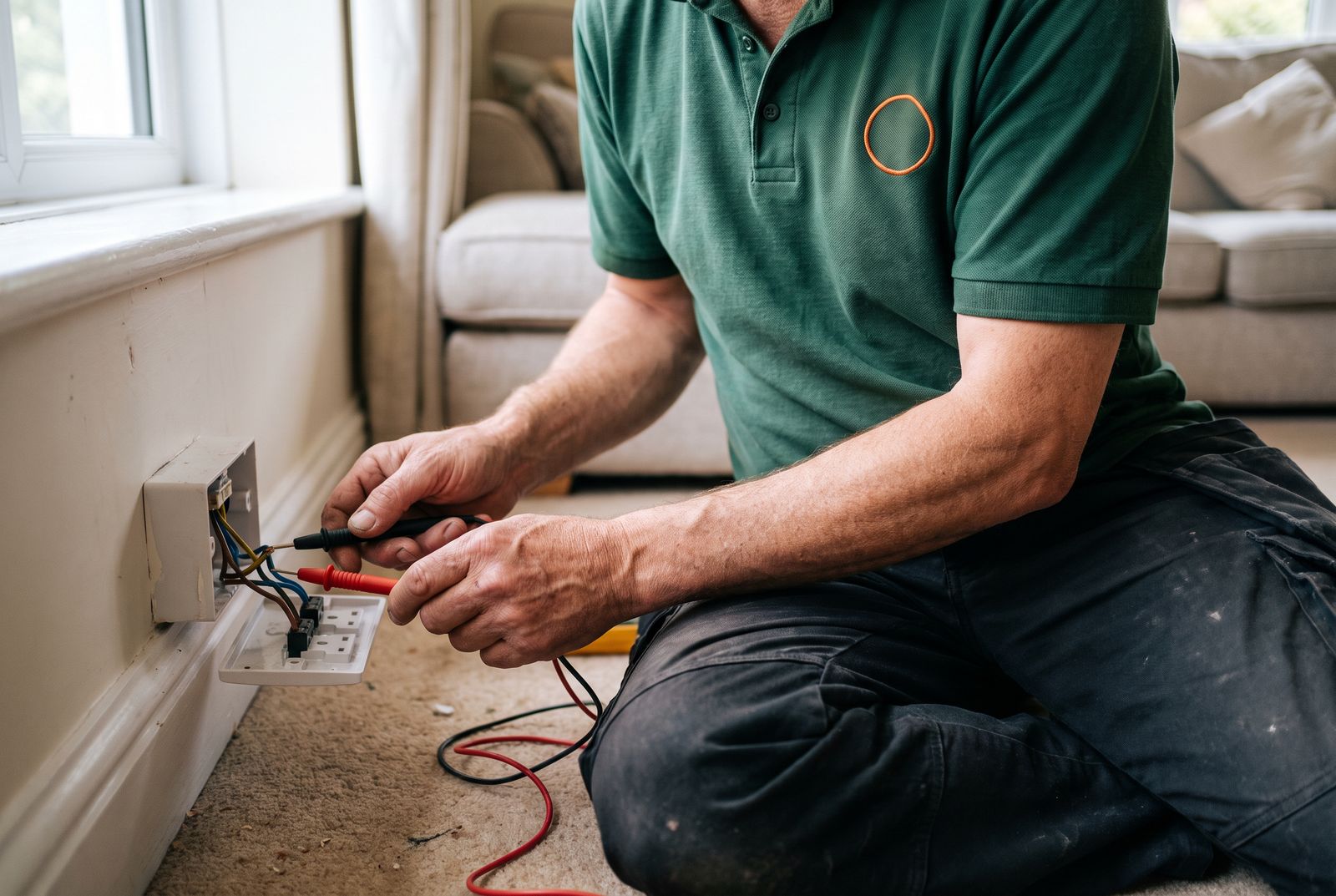
Wellington is hard on trees and the lines that run past them. NIWA records the highest gust at Kelburn as 198 km/h during the Wahine storm, and 248 km/h on Hawkins Hill, the highest gust measured in the North Island. Gales can come in any month and are most frequent in winter, so a branch across the line to the house is a familiar sight after a southerly.
This guide explains who is responsible for trees near lines, what to do when one comes down, who owns the line between the street and your house, what recent changes to the tree rules mean, and what is involved in moving an overhead line underground.
Who is responsible for trees near power lines in NZ?
The person who owns the tree. The Electricity (Hazards from Trees) Regulations 2003, administered by MBIE, set zones around overhead conductors and make the tree owner responsible for keeping trees out of them once they have been notified.
The lines company, called the works owner in the regulations, has duties too. When a tree grows into the notice zone it can send a hazard warning notice. When it reaches the growth limit zone it sends a cut or trim notice, and the tree owner must have it cut within the working-day limits the notice sets. For a tree that has never had a cut or trim notice before, the regulations generally make the lines company meet the cost of that first cut.
After the first cut, ongoing trimming is the tree owner's cost. If you do not want the tree, you can give the lines company a no-interest notice, after which you are no longer treated as its owner under the regulations. Disputes can go to an arbitrator appointed under the regulations.
- Tree owner: keep trees out of the zones once notified
- Lines company: notify owners and usually pay for the first cut
- Either: can take a dispute to a tree arbitrator
- Anyone: never trim near a live line yourself
What should I do if a tree hits the line to my house?
Keep everyone, including pets, well clear and treat the line and the tree as live. Do not try to pull branches off or prop the line up. If anyone is hurt or in danger, or there are sparks or fire, call 111 first.
Then report it to the lines company. In Wellington City, the Hutt Valley and Porirua that is Wellington Electricity; on the Kāpiti Coast it is Electra. Your power retailer can also pass a fault on. The lines company makes its own equipment safe, and it can tell you whether the damaged section is theirs or the private part of the connection.
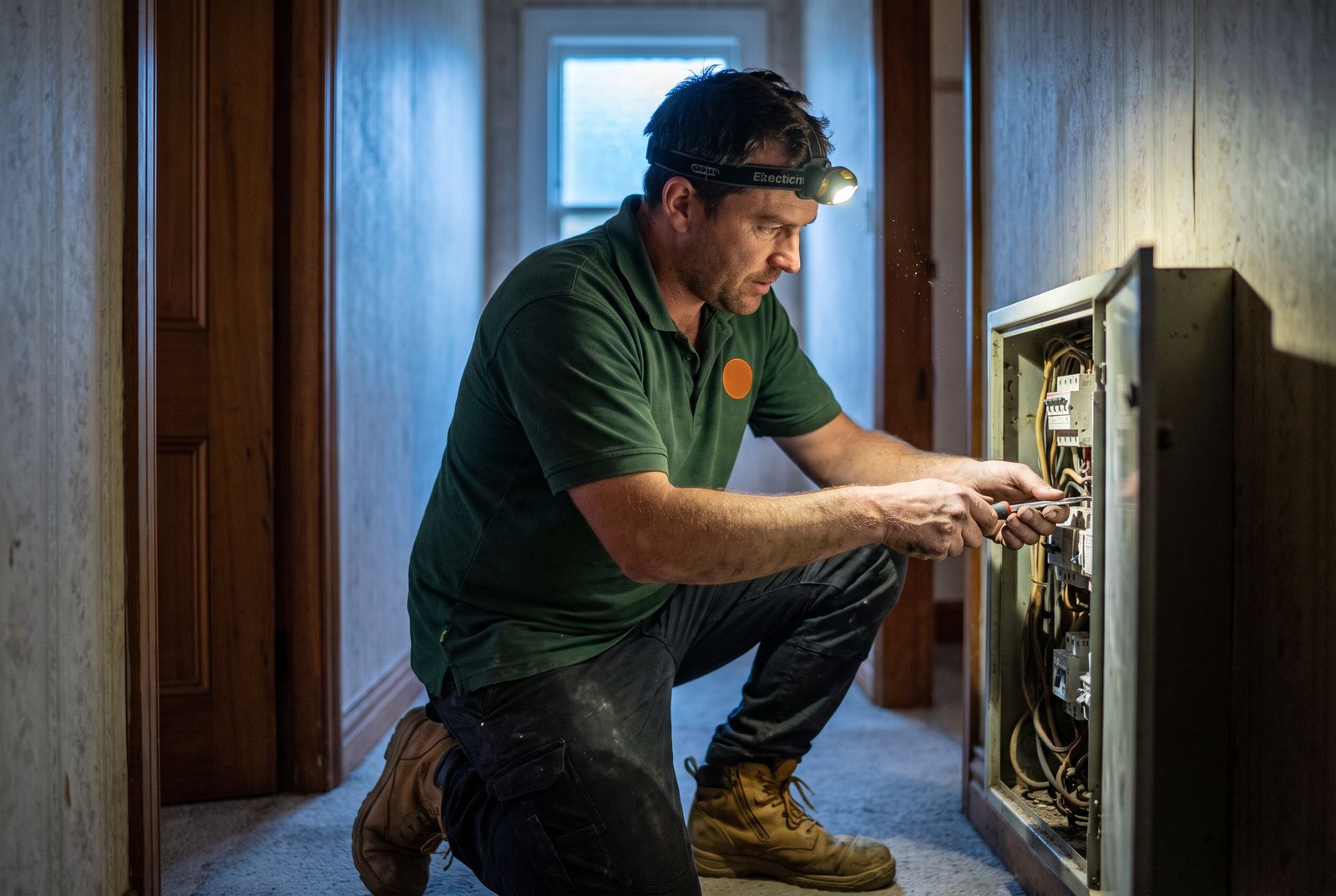
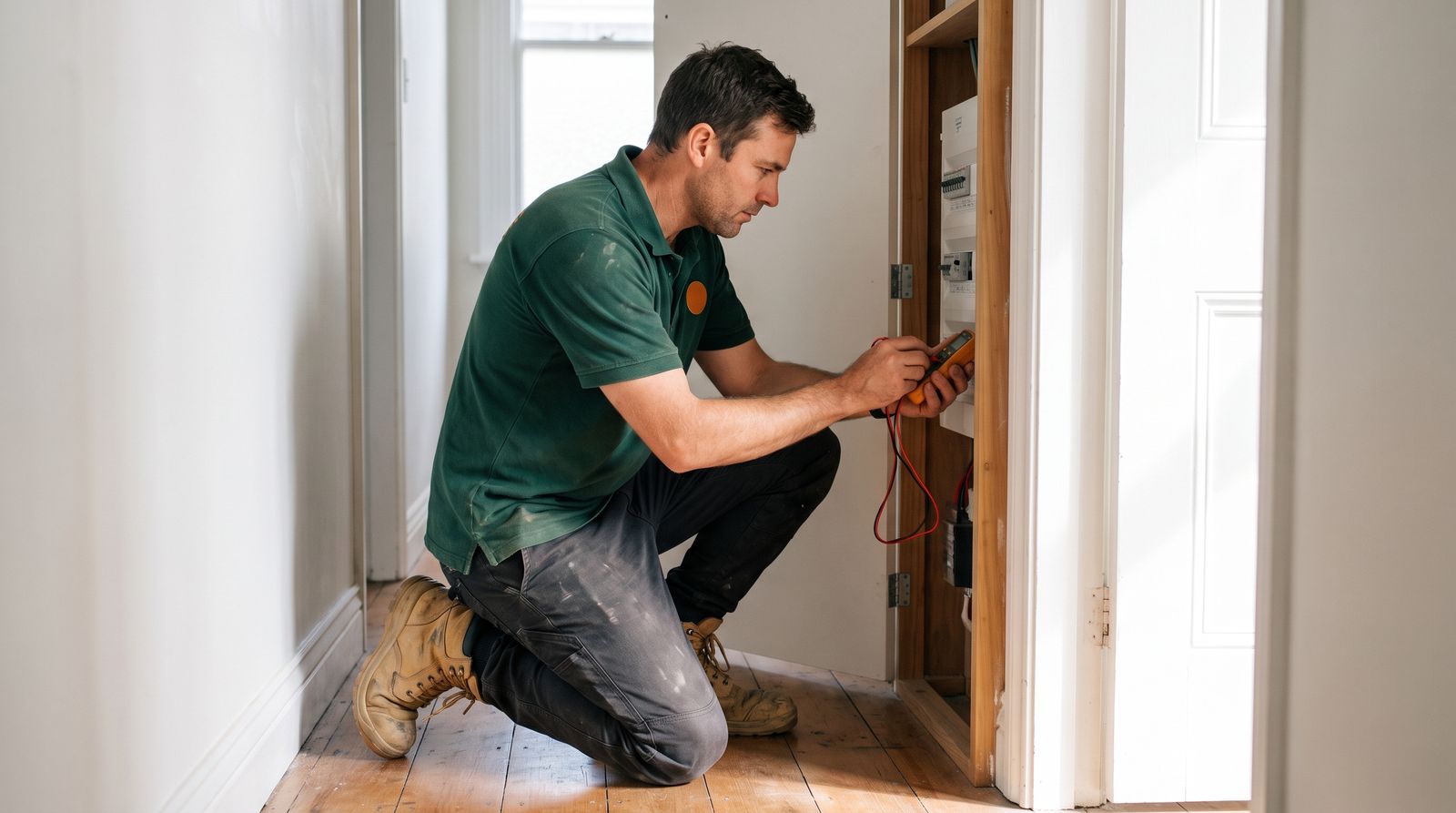
Once the line is made safe, look at your side of the meter. A line torn off the house can damage the attachment point, the mains cable and the meter board, and water often follows in the next rain. Our emergency electrician service checks and repairs the house end so power can be restored safely,.
Who owns the service line from the street?
It depends on the property, so check before arranging work. The line that runs from the network to your house is usually called the service line. The lines company owns its network up to a connection point, often a fuse on the pole or a pillar box near the boundary, and the part beyond that point on private land is commonly owned by the property owner.
This matters because the free first cut under the tree regulations relates to the lines company's own works. Lines companies generally say privately owned service lines are not covered, so a tree rubbing on your own line is something you sort out with an arborist who is qualified to work near lines, and an electrician if the line or its fixings are damaged.
Shared driveways and right of ways make it more complicated. On a Wellington hill section one service line may cross a neighbour's land, or several houses may share a pole. Your lines company can tell you where its ownership ends.
Storm damage at the house end?
Cheeky's Electrical repairs damaged attachment points, mains cables and meter boards and handles the electrical side of undergrounding.
What do the recent changes to the tree rules mean?
The rules have changed twice recently. Changes in force from 17 October 2024 extended the growth limit zone so it is clear to the sky and moved the notice zone out by a metre. Further amendments took effect on 23 July 2026.
The 2026 changes add a process for trees that pose a fall hazard even though they are outside the immediate growth limit zone. A lines company can now give a treefall hazard notice requiring the tree to be removed, and the regulations generally make the lines company meet the reasonable cost of that removal. There are transitional rules for notices already in place, and an arbitrator can decide whether a tree really is a hazard.
For a Wellington property with a big macrocarpa or pine above the line, that is a meaningful change. Tall trees on exposed ridges are exactly the kind that come down in a gale, and the new process gives both sides a way to deal with them before they fall.
Can my overhead line be moved underground?
Usually, yes. Moving an overhead service line underground involves a trench from the connection point to the house, new mains cable in a duct and changes at the meter board, plus the lines company's work at the network end.
Hillside sections make the route the hard part. Steep paths, retaining walls, steps and narrow side yards in suburbs such as Kelburn, Brooklyn and Hataitai shape where a trench can go, and some homes have no vehicle access at all. A site visit is the only way to price it honestly.
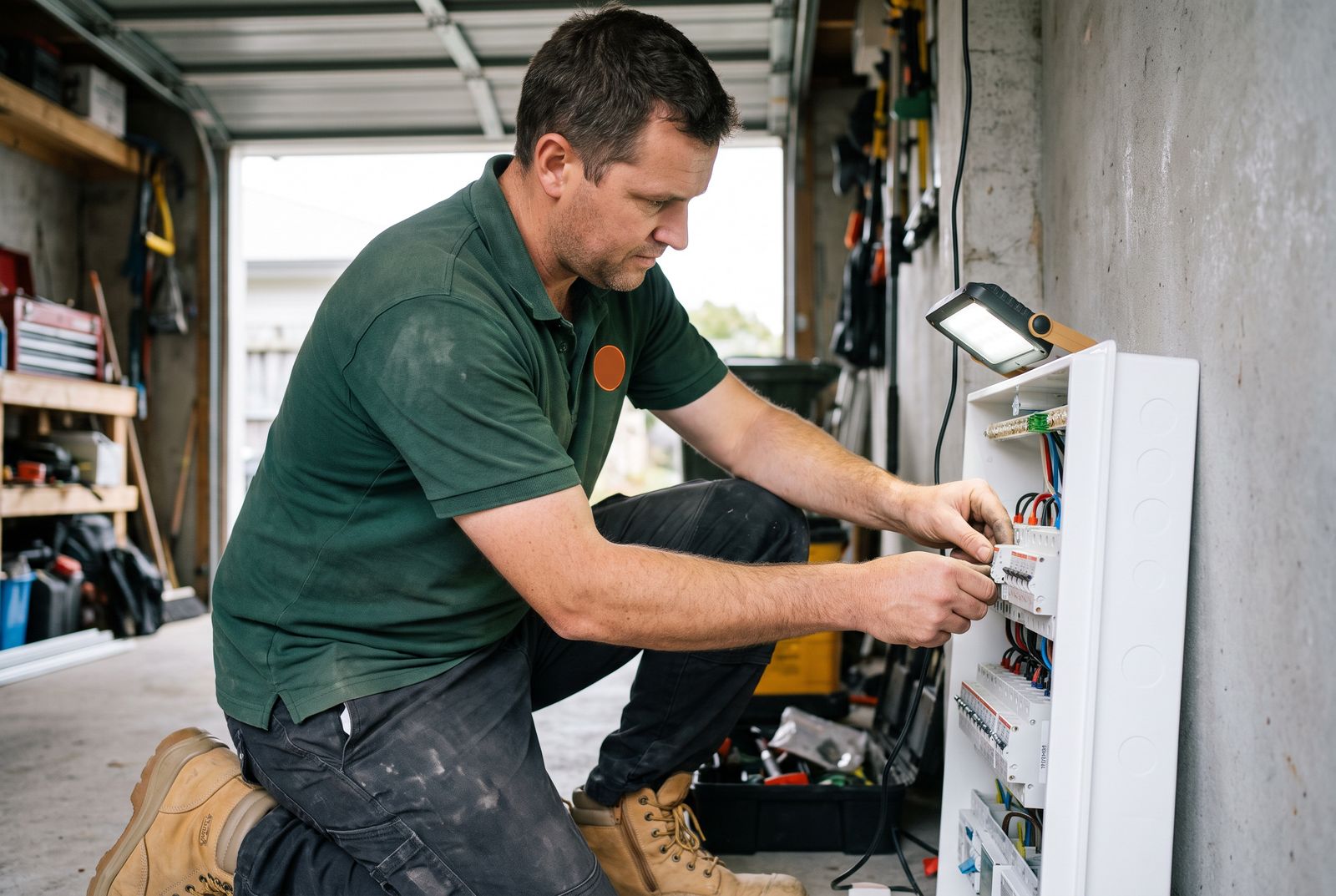
The house end often needs work too. If the meter board is on a wall the new cable cannot reach easily, it may need to move, and an old board may be worth replacing at the same time. We price any switchboard upgrades or meter board relocation separately so you can see what each part costs.
Does Wellington Electricity need to be involved?
Yes, for undergrounding. Wellington Electricity lists converting overhead lines to underground among the jobs it must be involved in, alongside changes to supply capacity and temporary or permanent disconnection. Requests go through your power retailer, and the lines company does or approves the work on its own network.
It is also involved whenever its lines are damaged, whenever a tree near its lines needs a notice, and when the supply has to be disconnected so work can be done safely at the house. On the Kāpiti Coast the same questions go to Electra.
Plan for a lead time. Line company work has its own scheduling, so book the electrical side once you know the network date, not before.
When should you call an electrician?
Call an electrician when a line has pulled away from the house, when the attachment point or meter board is damaged, when water has got into the board after a storm, or when you are planning to move a line underground.
Cheeky's Electrical repairs the house end of storm damage and works alongside the lines company on undergrounding, so the trench, cable and board work fit around its schedule. Homes tucked against bush-covered hills, as in Eastbourne, and on exposed ridges deal with trees more than most, so see our page for an electrician in Eastbourne or book online for a site visit.
Frequently Asked Questions
Can I trim a tree near the power line myself?
Not safely if any part is close to the line. Use an arborist who is qualified to work near power lines, and talk to the lines company first. A branch can conduct electricity, and lines can move in the wind.
My neighbour's tree is touching my service line. Who pays?
The tree owner is usually responsible for the tree. Whether the regulations apply depends on who owns the line; if it is your private service line, talk to your neighbour and arrange a qualified arborist. Your lines company can confirm ownership.
Will my insurance cover a line torn off by a falling tree?
That depends on your policy. Insurers usually want the damage recorded and repaired by a licensed electrician, so keep photos, the electrician's report and the Certificate of Compliance for any new wiring.
Does undergrounding remove the need for tree trimming?
For your service line, largely yes, because there is nothing overhead to hit. Roots near underground cable can still matter: the regulations let a lines company cut roots within 0.5 metres of its own underground conductor to repair or operate it.
How do I know if a tree is a fall hazard?
Look for lean, dead limbs, cracks, root lifting or a history of losing branches in wind. Under the 2026 changes the lines company can assess trees near its lines and issue a treefall hazard notice. For your own trees, ask an arborist.
Our Services
 Emergency ElectricianPower out, sparks, a burning smell or a breaker that will not reset?
 Switchboard UpgradesOld fuse boards replaced with a modern switchboard, circuit breakers and RCD protection, inspected and certified.
Read Next
Backup Power for Wellington Homes: Generators and Batteries
Yes, you can run a home on backup power safely, but a generator must never be fed into the house wiring through a power ...
Read article
Why Is My Power Bill So High in a Wellington Winter?
Most Wellington power bills rise in winter because heating and hot water, which Gen Less says make up about two-thirds o...
Read article
Power Out in Wellington? How to Tell If It's Your House or the Network
If your neighbours and the streetlights are dark too, it is almost certainly a network outage: check Wellington Electric...
Read article