Selling solar power back used to be a simple idea: install panels, export what you do not use and collect a credit. It still works that way, but two parties are involved. Your retailer decides the price it pays for exported power, and your lines company decides how much you can push into its network and when.
This guide explains how buy-back rates work, how much a Wellington home can export, what the new flexible export limits and congestion charge mean, where a battery fits, and the paperwork that has to reach the lines company before and after your system goes live.
How do solar buy-back rates work in NZ?
A buy-back rate is the price your power retailer pays for each kilowatt hour your system exports. It is set by the retailer, not the lines company or the government, and it varies between retailers and plans, so it is worth comparing before you sign up or switch.
The key point for anyone weighing up solar is that exported power is usually worth less than power you use yourself. Standards New Zealand's homeowner guidance notes that power used on site is usually worth more than power exported, because retailers pay less for export than they charge you to buy. Every unit you use at home saves the full retail price; every unit you export earns the lower buy-back rate.
That is why the best returns tend to go to homes that run the dishwasher, washing machine, hot water or EV charging in daylight. A system sized to your own use usually pays back faster than one built to export as much as possible. Our solar installation team models both before quoting.
How much solar can I export to the grid in Wellington?
Most homes apply under the small system category of 10 kW or less. Nationally, the Electricity Authority has set a default 10 kW export limit for streamlined small scale applications, while allowing networks to set lower or flexible limits where parts of the network are constrained.
In Wellington, the Hutt Valley and Porirua, that network is Wellington Electricity. For systems of 10 kW or less it asks you to read its technical requirements, apply online before installing, and build to its connection standards. Owners who already have a system and only want a higher export limit, with no change to the equipment, use a separate application.
The size of your inverter and panels is one question; the export you are approved for is another. A 10 kW system can still be set to export less, and many homes never reach their limit because they use most of what they generate.
The rules follow the network, not the council boundary. A home in Miramar, Tawa or Lower Hutt deals with Wellington Electricity, while homes in Paraparaumu, Raumati and Waikanae are on Electra's network, so solar installation on the Kāpiti Coast follows Electra's tiers instead.
What are Wellington Electricity's flexible export limits?
From 11 May 2026, Wellington Electricity replaced the fixed 10 kW export limit with a flexible one. When parts of the network become congested, it uses a price signal asking solar owners to reduce what they inject back to 5 kW.
The congestion is local and timed. Wellington Electricity publishes operating envelope schedules for congested areas, and your retailer is told in advance when an envelope applies to your connection. Outside those periods, you export as normal under your approval.
For now it is a price signal rather than an automatic cut. Wellington Electricity says automation will follow once it can see smart inverters and connection agreements, so it is worth choosing an inverter that can be set up for remote limits later. Its figures put solar on about 3% of homes today, with congestion expected to appear only as that grows towards 20%, so many streets may rarely see a signal at first.
| Wellington Electricity (Wellington, Hutt, Porirua) | Electra (Kāpiti Coast) | |
|---|---|---|
| Small system tier | 10 kW or less | 10 kW or less |
| Who applies | Owner or installer, online, before installing | Your installer, before installing |
| Export limit | Flexible since 11 May 2026: cut to 5 kW when congested | Set through Electra's approval |
| After install | Email the ROI and CoC | CoC and Electrical Safety Certificate; Electra may inspect |
| Larger systems | Separate process above 10 kW | Separate tier above 10 kW; over 300 kW contact Electra |
Planning solar under the new limits?
Cheeky's Electrical sizes your system to your own use, applies to Wellington Electricity or Electra, and sends the certificates when it is done.
What is the congestion charge and who pays it?
The congestion charge applies to solar exported above the published threshold during a congestion period. Wellington Electricity passes the charge to the retailer for your connection, not directly to you.
Whether your retailer passes some or all of it on, and how, is a matter for your plan, so ask before you sign up. When you apply for a flexible export limit, you also agree to what Wellington Electricity calls operating envelope costs when they are signalled, so read the terms rather than skimming them.
Avoiding the charge is mostly about using your own power at the right time. Wellington Electricity lists three ways: soak up the surplus with local demand such as a hot water cylinder or an EV, add a battery, or reduce export to stay within the envelope. A timer or diverter on the hot water cylinder is often the cheapest of the three.
Does a battery help with export limits?
Yes, a battery is one of the clearest ways to stay under a flexible limit, because it stores midday surplus instead of exporting it. Whether it pays for itself is a separate question that depends on your evening use and your power plan.
A battery moves solar power from the middle of the day to the evening, when you would otherwise be buying at full price. It also reduces how often you export into a congested network, and set up correctly it can keep some circuits running in an outage. Batteries add real cost, though, so we usually model the system with and without one.
Adding a battery later is common. If you think you might, choose a hybrid or battery-ready inverter now and make sure the switchboard has room. Older boards sometimes need extra space or switchboard upgrades before they can safely take solar and a battery.
What paperwork goes to Wellington Electricity after install?
Once the system is installed and tested, Wellington Electricity asks you to email it to confirm the connection, including the Record of Inspection (ROI) and the Certificate of Compliance (CoC). Without them the connection is not complete on its records.
The CoC is issued by the licensed electrician who connects the system and confirms the work meets the safety standards. The ROI comes from the inspection of the installation. Keep copies with your house papers, alongside the application approval, because insurers and future buyers may ask to see them. Our explainer on what an electrical CoC is covers the certificate in more detail.
On the Kāpiti Coast the order is a little different. Electra asks you to talk to your retailer first about export options and whether an import and export meter is needed. Your installer then applies, Electra approves, asks for changes or declines, and after installation and testing the installer provides a CoC and an Electrical Safety Certificate. Electra may inspect before you start exporting.
Cheeky's Electrical handles the application, the install, the testing and the certificates, so the paperwork reaches the right lines company on time. If you only want an existing system checked, our electrical inspections cover the solar connection and the switchboard.
Frequently Asked Questions
Will I be paid for every unit I export?
Your retailer pays its buy-back rate for exported power that its meter records. During a congestion period, export above the published threshold attracts a charge to your retailer, so check how your plan treats it.
Do I need a new meter to sell solar power back?
You need a meter that can record export. Electra's guidance is to check with your retailer whether an import and export meter is needed before you apply. In Wellington, the Hutt and Porirua, ask your retailer early too.
Can I install solar first and apply later?
No. Wellington Electricity asks you to apply before installing, and Electra approves applications before installation. Connecting without approval can mean the system has to be switched off or changed.
Does the flexible limit apply to existing systems?
Wellington Electricity's flexible limits apply to distributed generation on its network, and existing owners can apply to change their export limit separately. Check your current approval and ask your retailer whether it has been notified of any envelope for your connection.
Should I compare buy-back rates when choosing a retailer?
It helps, but do not compare buy-back alone. The price you pay to buy power, daily charges and any time of use rates usually matter more, because most of a well sized system's value comes from power you use yourself.
Our Services
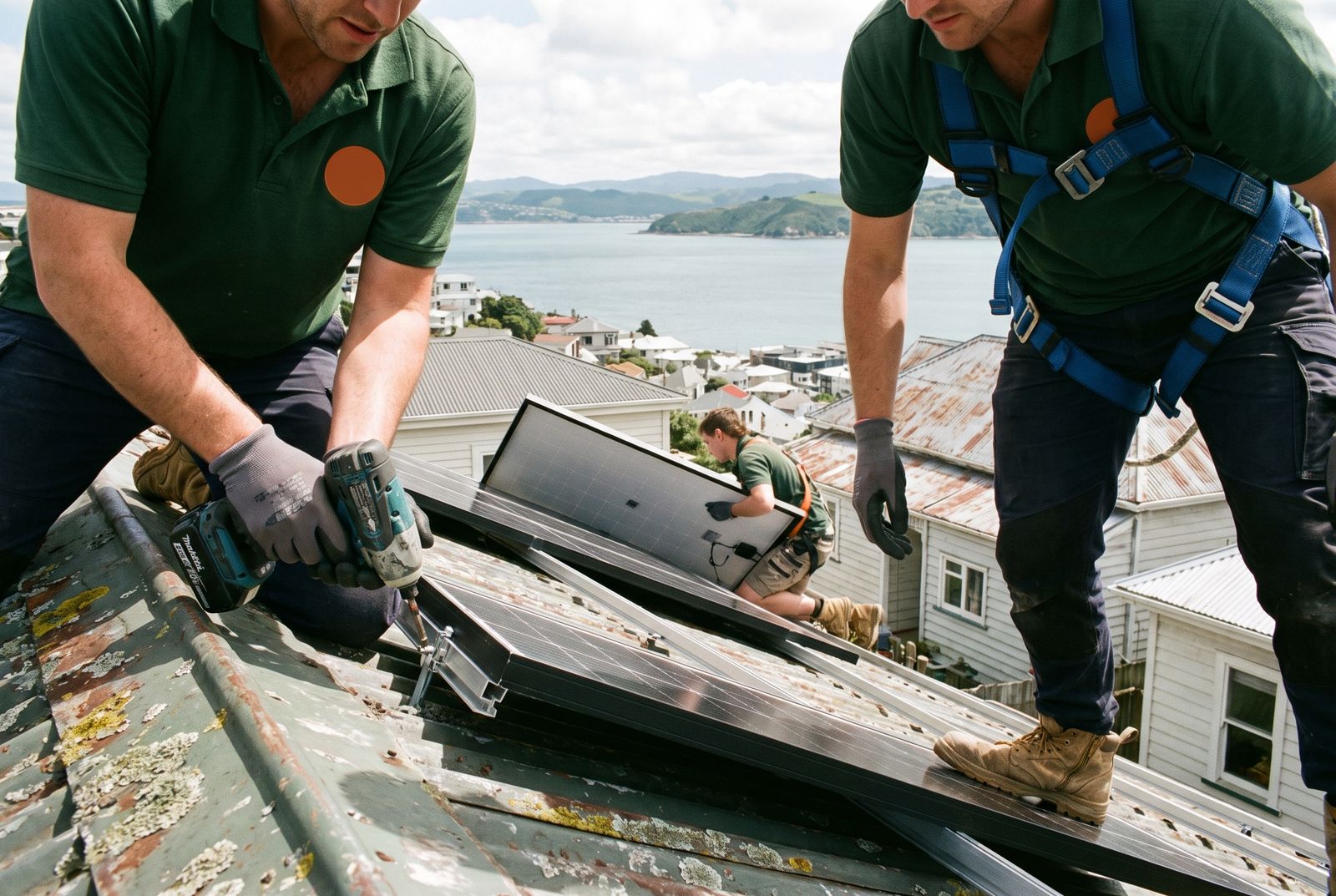 Solar PanelsSolar panel systems and home batteries sized to your power use, installed and connected by licensed electricians.
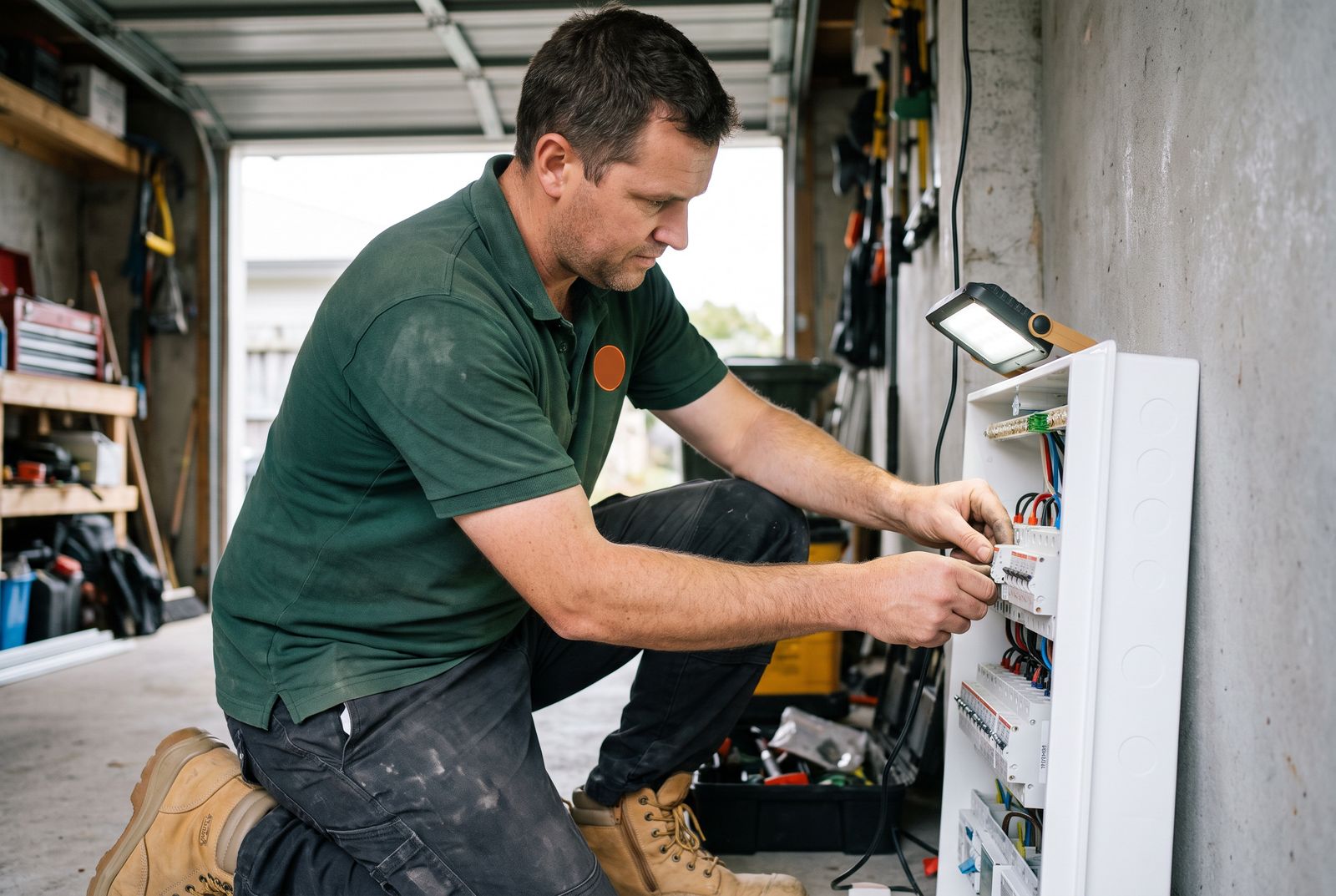 Switchboard UpgradesOld fuse boards replaced with a modern switchboard, circuit breakers and RCD protection, inspected and certified.
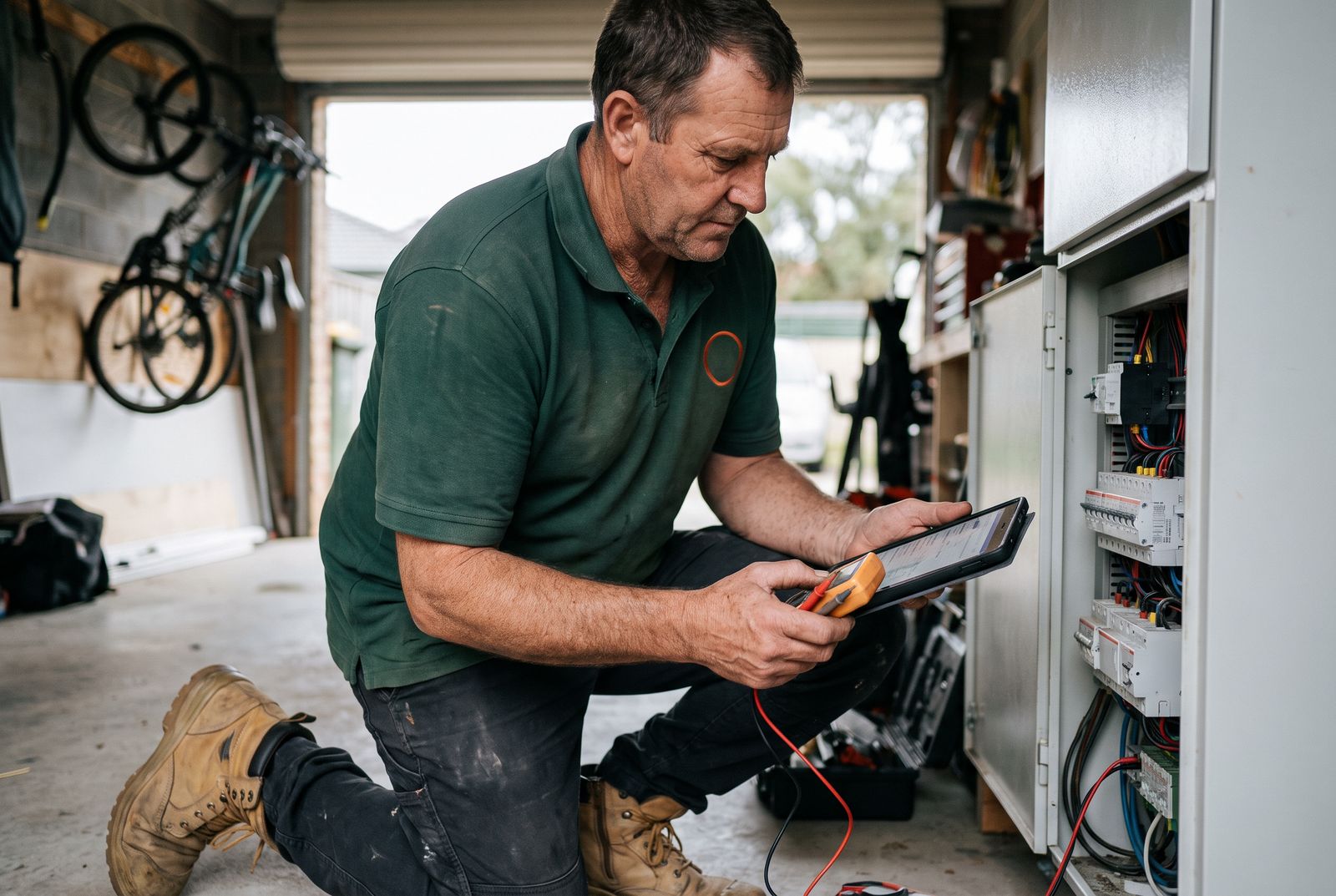 Electrical InspectionsElectrical safety inspections and pre-purchase checks with a written report, covering the switchboard, wiring, RCDs and earthing.
Read Next
Is Solar Worth It in Wellington? Sun, Wind and Payback
Solar can be worth it in Wellington if you have a mostly north-facing roof with little shade and use a good share of you...
Read article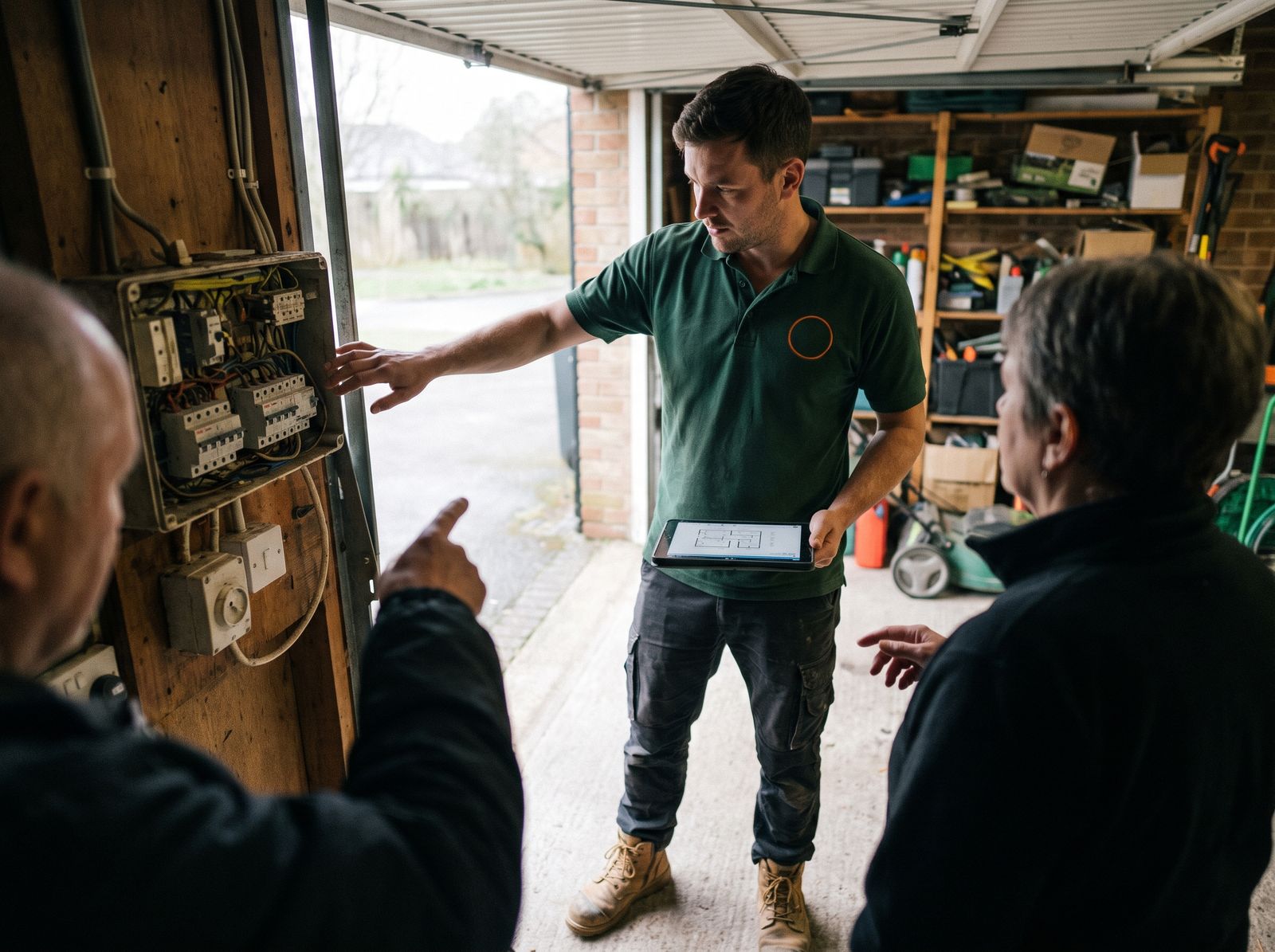
Electrical CoC and ESC: What You Should Get After Electrical Work
After most fixed wiring work in New Zealand you should receive two documents. The Certificate of Compliance (CoC) record...
Read article
Do You Need Surge Protection? Power Surges, Storms and Your Switchboard
Most homes benefit from some surge protection, and the best setup is usually layered: a surge protection device at the s...
Read article