
A power surge is a brief jump in voltage, far shorter than a blink. Most are too small to notice, but a big one can damage the electronics inside modern appliances, and smaller repeated ones can wear them out over time.
This guide covers where surges come from, why storms and power cuts are the times to think about them in a windy region, how a plug-in surge protector differs from protection at the switchboard, how to tell if your board already has it, and when it is worth adding with solar or an EV charger.
What causes power surges in NZ homes?
Surges come from two directions: from the network outside and from equipment inside the house. Outside causes include faults on the lines, switching on the network, and supply returning after an outage. Inside, motors and compressors in heat pumps, fridges and pumps cause smaller spikes when they start and stop.
Lightning is the cause people think of first, but a strike close enough to do damage is rare. The everyday surge is far more ordinary: a line clashing in the wind, a branch across a conductor, or a section of network being switched back on after repairs.
Surges are not the same as a fault in your own wiring. A socket that is hot, scorched or buzzing is a wiring problem and needs electrical repairs, not a surge protector.
Can a storm or power cut damage my appliances?
It can. The risk is highest when power returns after an outage, because everything that was left on restarts at once and the supply may spike as it comes back. WorkSafe's guidance is to turn off lights and unplug appliances and devices during an outage, partly to protect them from damage if a surge occurs when power returns.
Wellington's weather makes this more than a theory. NIWA records gusts over 96 km/h at Wellington Airport on about 24 days a year, and gale force winds can arrive in any month, though they are most frequent in winter. Strong wind brings branches onto lines, and every fault and restoration is a chance for a spike. Exposed homes on the south coast in Island Bay and Seatoun, and hill suburbs such as Kelburn, take the brunt of it.
Kāpiti is calmer. Paraparaumu Airport records gusts over 96 km/h on about 8 days a year, but outages still happen there and the same unplugging advice applies. Our guide on telling a network outage from a house fault covers what to check first.
Surge protector plug or whole-house protection: what's the difference?
A surge-rated power board protects only what is plugged into it, while a surge protection device at the switchboard protects every circuit from spikes arriving from the network. They do different jobs and work best together.
The switchboard device, often called an SPD, diverts the energy of a large incoming surge to earth before it reaches your circuits. It cannot do anything about spikes created inside the house, and some of a big surge still passes through. Plug-in boards sit right next to sensitive equipment and catch what is left, along with smaller spikes from appliances on the same circuit.
Plug-in boards are not all equal. Check the packaging for a stated surge rating and an indicator light that shows the protection is still working, because the surge components wear out after absorbing big events. A cheap multi-box with no rating is a power board, not a surge protector.
| Plug-in surge board | SPD at the switchboard | |
|---|---|---|
| Protects | Only what is plugged into it | Every circuit, against surges from outside |
| Installed by | You | A licensed electrician |
| Best for | TVs, computers, modems, game consoles | Whole house, including hard-wired appliances |
| Handles spikes from inside the house | Partly, on its own circuit | No |
| Wears out | Yes, check the indicator | Yes, most have a status window |
| Stops a direct lightning strike | No | No |
Want your board checked for surge protection?
Send Cheeky's Electrical a photo of your switchboard and we will tell you whether an SPD fits and what it would involve.
Does my switchboard already have surge protection?
Most older boards do not. Open the cover and look for a module labelled SPD or surge, usually wider than a single breaker, often with a small coloured status window. If you only see fuses, breakers and RCDs, there is no whole-house protection.
Boards in villas and workers' cottages in suburbs such as Newtown and Mt Victoria often still have rewireable fuses and no space to spare, and adding an SPD there usually goes hand in hand with replacing the board. A newer board with free slots can normally take one as a small add-on, alongside any other work.
If you are not sure what you are looking at, take a clear photo with the cover open and send it to us. Cheeky's Electrical can tell you whether the board has room, whether an SPD makes sense, and what else on the board is worth fixing at the same time. Our switchboard upgrades page explains what a modern board includes.
Is surge protection worth it with solar or an EV charger?
It is worth discussing, because inverters, batteries and smart EV chargers are some of the most expensive electronics in a modern home and they connect to long cable runs. Ask your installer what protection the equipment already includes and whether more is recommended for your site.
Many inverters and chargers have some built-in protection, but it varies by model, and a solar array on the roof adds its own cabling exposed to the weather. The cheapest time to add protection is while the board is open for the new circuits, rather than as a separate visit later.
On the network side, solar owners in Wellington, the Hutt and Porirua now work under Wellington Electricity's flexible export limits, and our guide to solar export limits explains how that affects your system. When we quote solar installation, we look at the switchboard, the protection and the cable routes together.
What else protects your gear in a storm?
Good habits do as much as hardware. Unplug sensitive equipment when a big storm is forecast, switch off heaters and ovens if the power goes, and wait a few minutes after supply returns before plugging everything back in.
Keep a note of which breakers cover the modem, the fridge and any medical or security equipment, so you can bring the important things back first. If an RCD or breaker trips when power returns and will not stay on, leave it off. A device that trips repeatedly has found a fault, and the surge may have damaged an appliance on that circuit.
Finally, check your insurance. Some policies treat surge damage differently from other electrical faults, and knowing what is covered helps you decide how much protection to buy.
Frequently Asked Questions
Can a surge protector stop lightning damage?
No device in a normal home stops a direct strike. Surge protection reduces damage from nearby strikes and network surges, which are far more common. Unplugging sensitive equipment in a severe storm is still the safest option.
How long does a surge protector last?
Its protective parts wear out as they absorb surges, so there is no fixed life. Plug-in boards and switchboard SPDs usually have an indicator that shows when protection has been used up and the unit needs replacing.
Will a surge protector stop my RCD tripping?
No. An RCD trips when current leaks to earth, which is a fault on a circuit or appliance. Surge protection deals with voltage spikes. A tripping RCD needs the fault found, not a surge device.
Do I need a licensed electrician to fit an SPD?
Yes. An SPD is installed inside the switchboard and connected to the main supply and earth, which is work for a licensed electrician, with testing and a certificate for the work.
Are surge-protected power boards safe to daisy chain?
Plugging power boards into each other overloads the first socket and the cord feeding it. If you need more outlets in one place, an electrician can add power points on the circuit instead.
Our Services
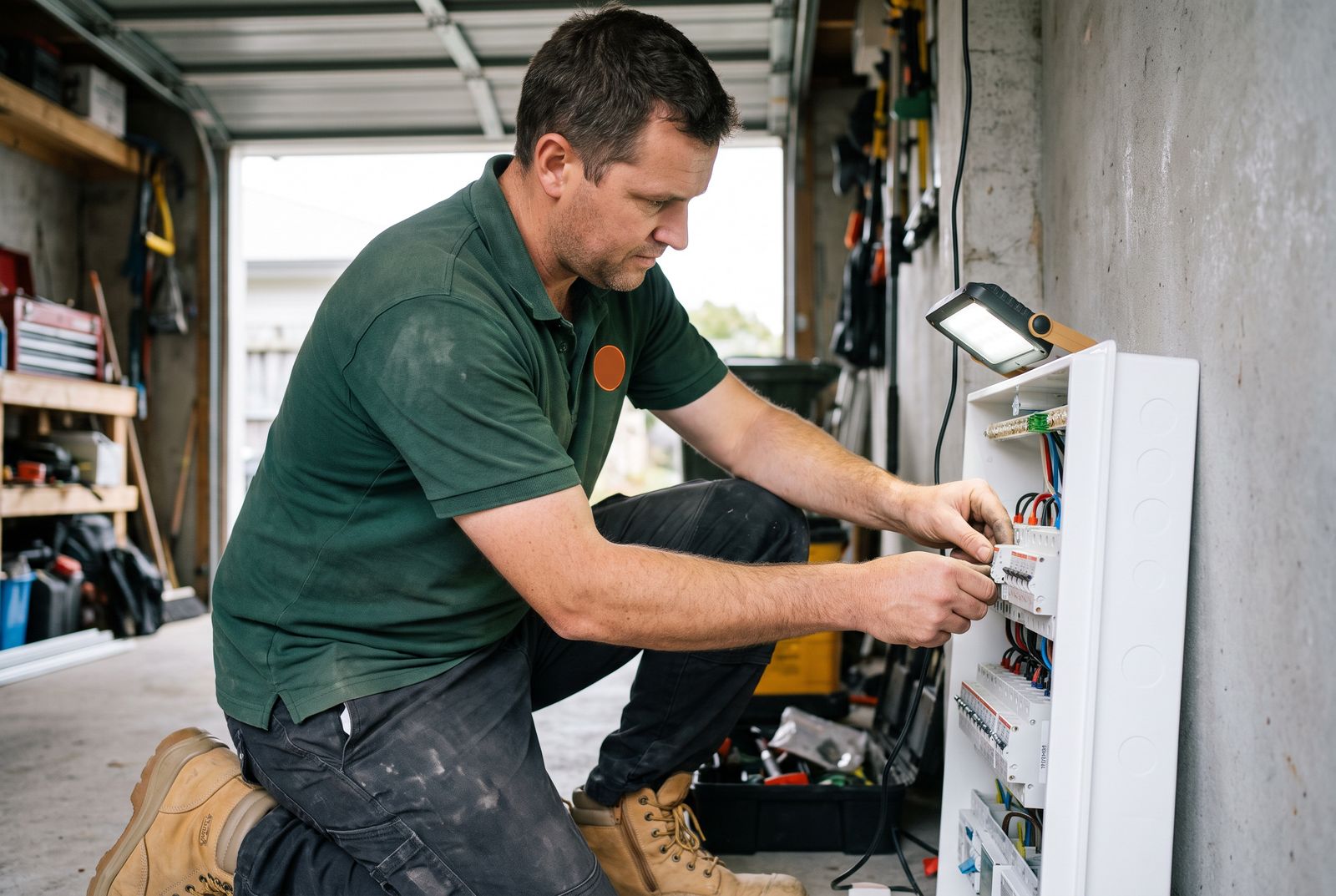 Switchboard UpgradesOld fuse boards replaced with a modern switchboard, circuit breakers and RCD protection, inspected and certified.
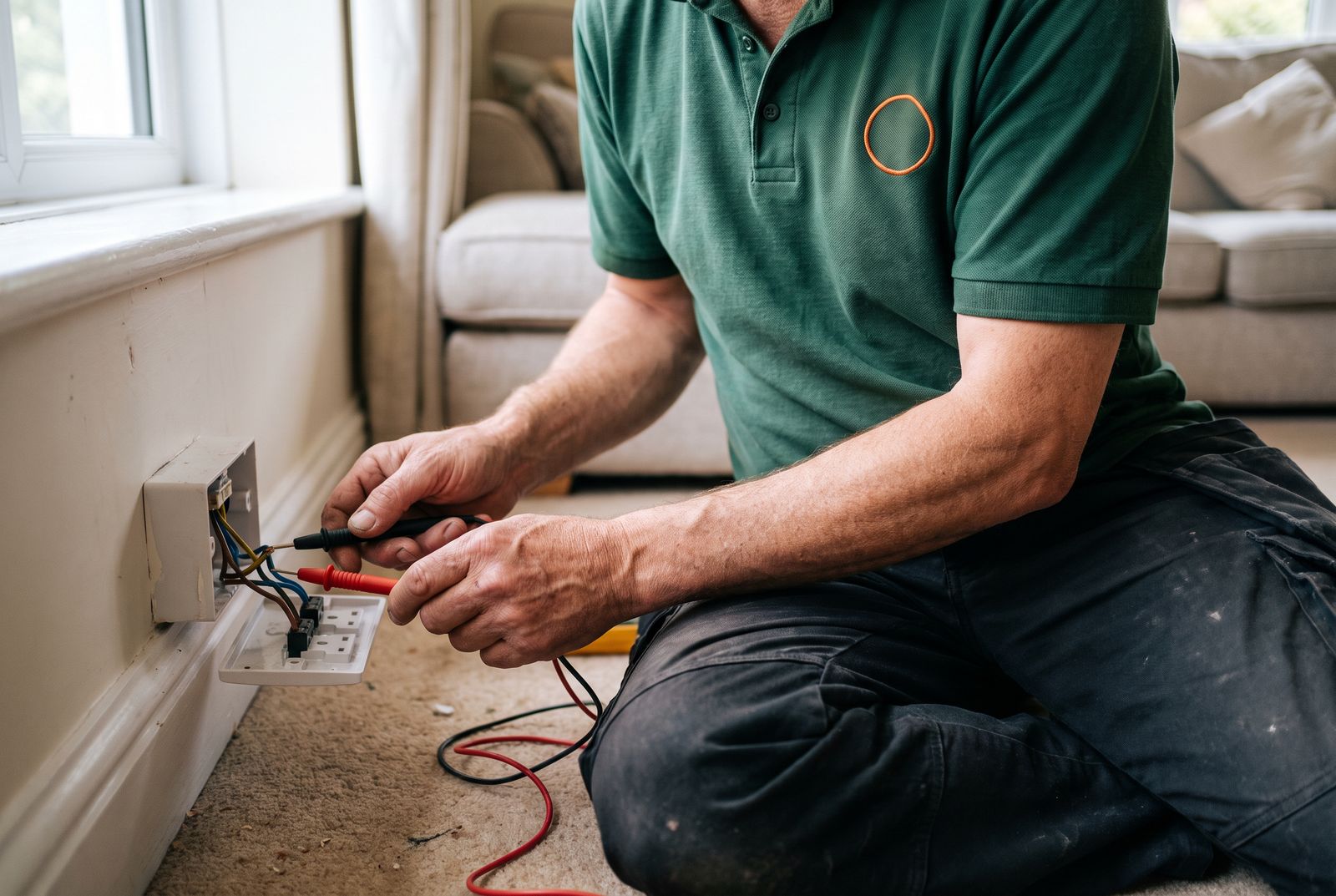 Electrical RepairsTripping RCDs, dead power points, flickering lights and faulty switches traced to the cause and repaired, not just reset.
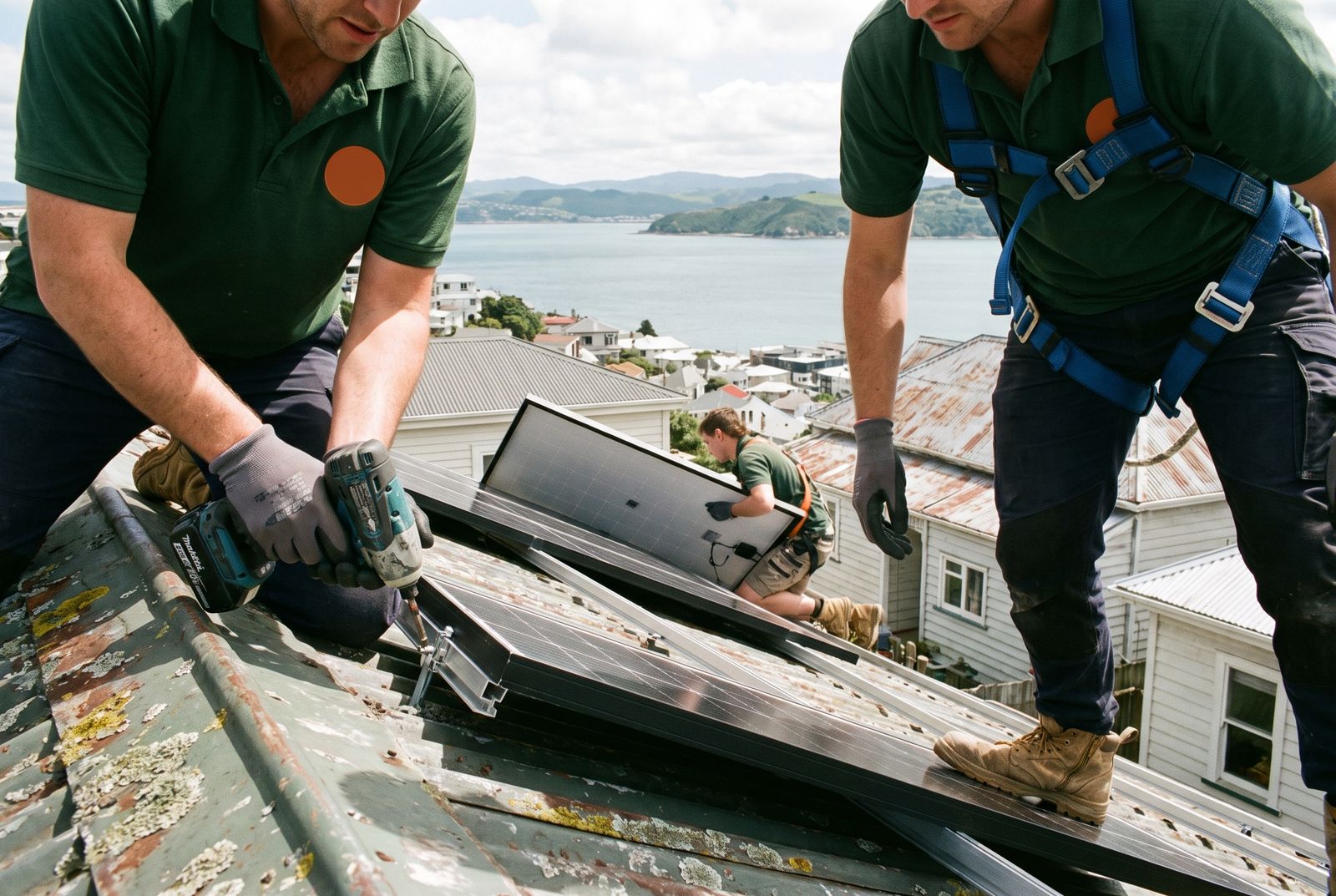 Solar PanelsSolar panel systems and home batteries sized to your power use, installed and connected by licensed electricians.
Read Next
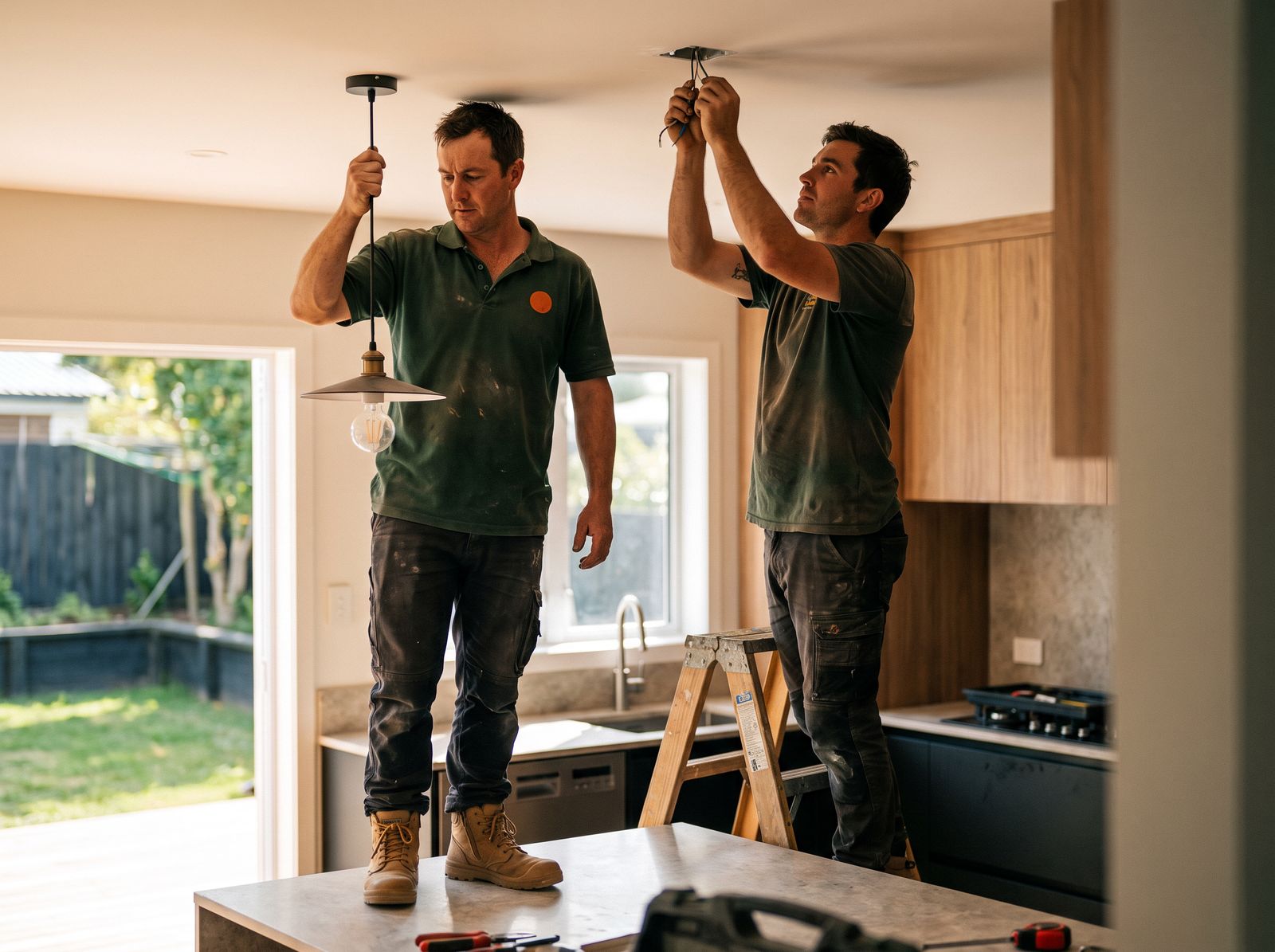
Power Out in Wellington? How to Tell If It's Your House or the Network
If your neighbours and the streetlights are dark too, it is almost certainly a network outage: check Wellington Electric...
Read article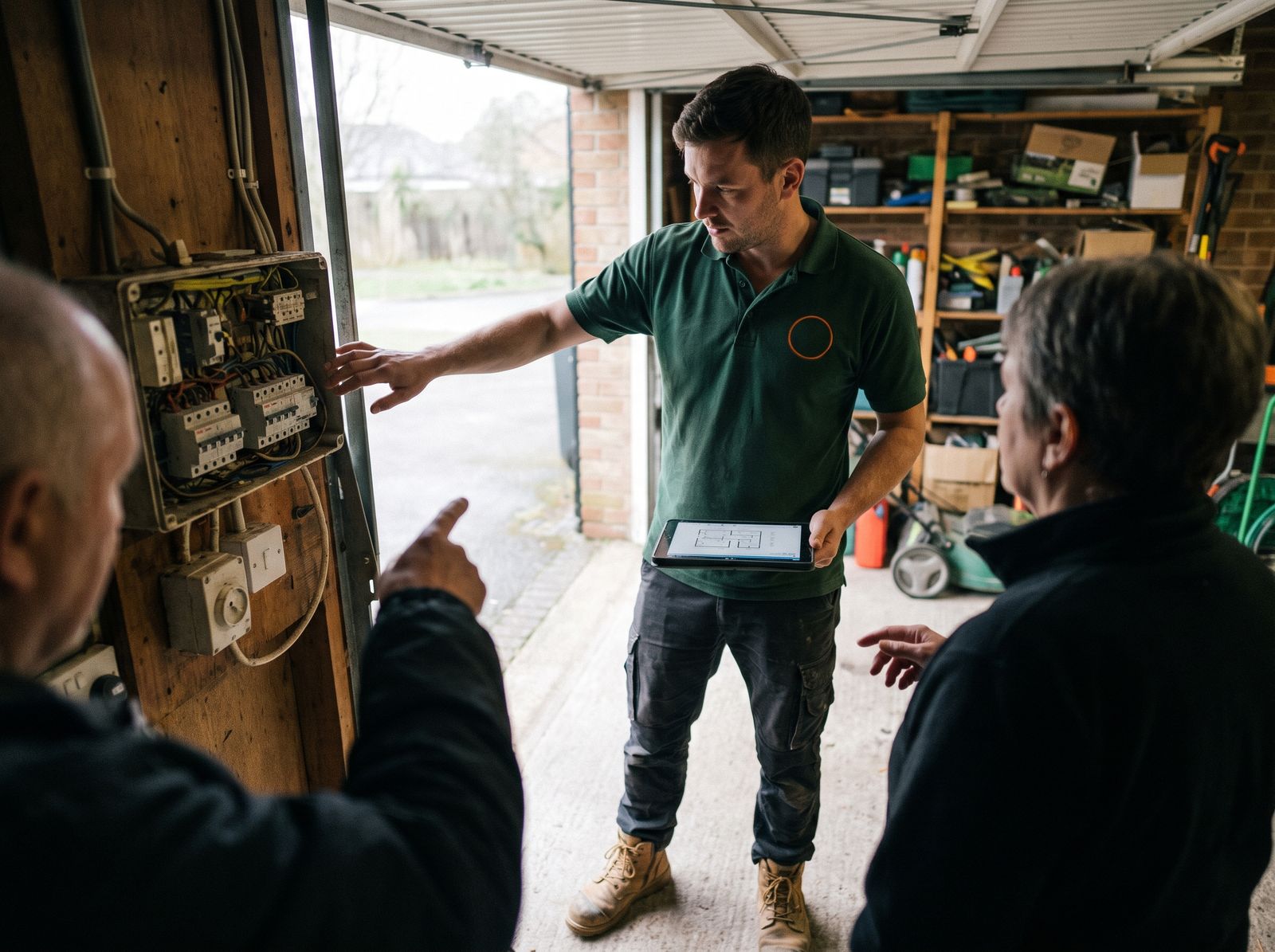
Old Fuse Box in a Wellington Villa? Signs It Needs Replacing
An old fuse box needs replacing when it shows damage or stress: scorch marks, a warm or buzzing board, fuses that blow o...
Read article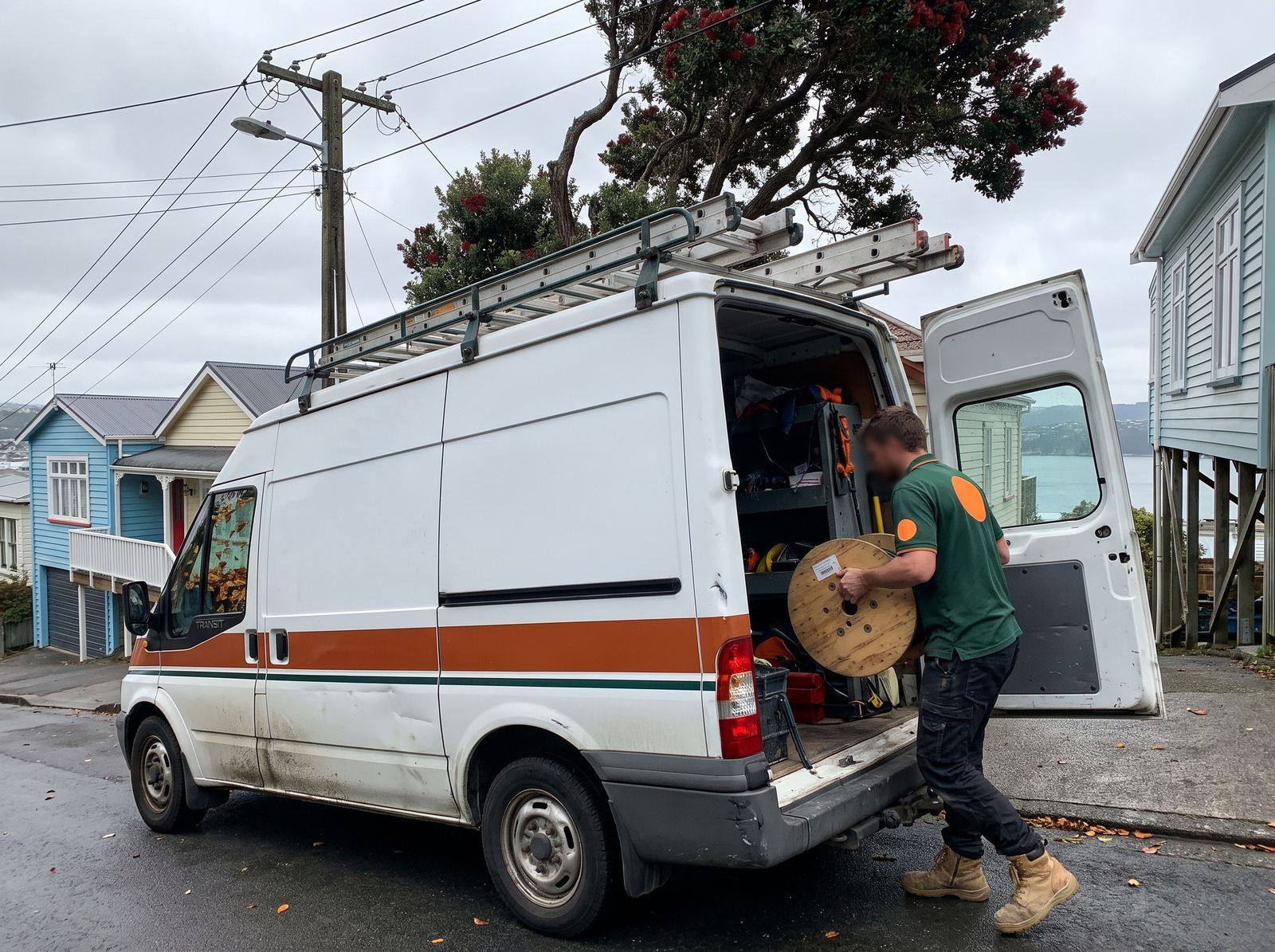
Is Solar Worth It in Wellington? Sun, Wind and Payback
Solar can be worth it in Wellington if you have a mostly north-facing roof with little shade and use a good share of you...
Read article