
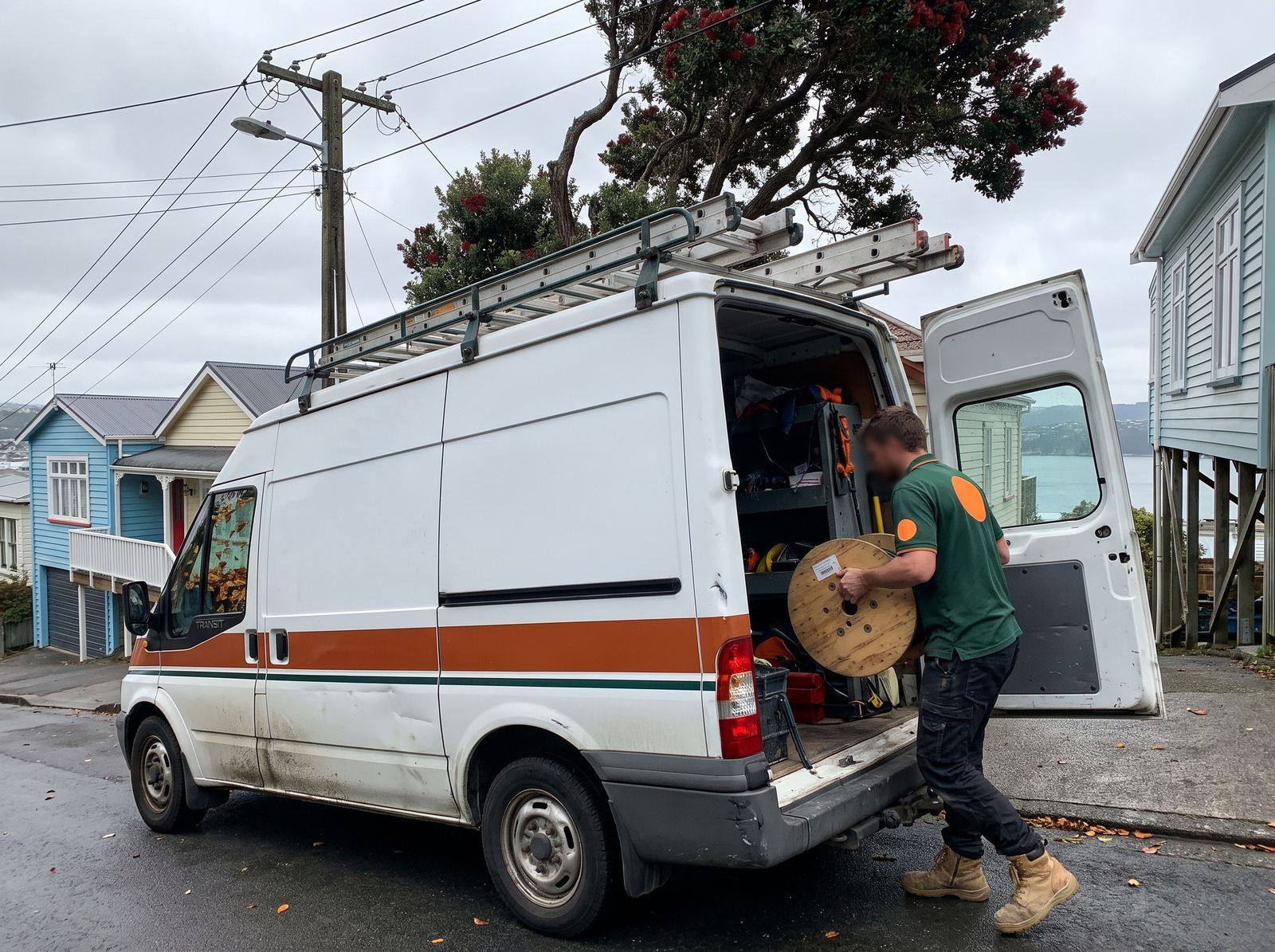
Wellington is better known for wind than sunshine, so it is fair to ask whether panels make sense here. The honest answer is that the city average matters less than your own roof. Two houses on the same street can get very different results if one faces north over the harbour and the other sits in the shadow of a ridge.
This guide covers what makes solar pay, why sun on your roof beats regional averages, how panels are fixed for Wellington wind and what that means for consent, how to size a system, and whether to add a battery now or later.
Is solar worth it in Wellington?
For the right house, yes. EECA's guidance is that north-facing roofs work best, east and west roofs produce less and pay back more slowly but can still suit, and a system can pay for itself in as little as seven years in the right circumstances.
Payback comes from two places: power you use yourself, which saves the full price you would otherwise pay, and power you export, which earns your retailer's lower buy-back rate. Standards New Zealand's homeowner guidance makes the same point, noting that power used on site is usually worth more than power exported. So the households that do best run appliances, hot water or EV charging in daylight.
Homes that are empty all day and use most of their power in the evening can still benefit, but they lean more on export or a battery, and payback stretches out. Our solar installation team models your actual usage before recommending a size.
- Good fit: north-facing roof, little shade, people or appliances using power in the day.
- Possible fit: east or west roof, or evening-heavy use with a hot water timer or diverter.
- Weak fit: heavily shaded roof, very low power use, or a roof due for replacement soon.
How much sun does Wellington get?
Enough for solar to work, but the number that decides your payback is the sun that reaches your roof, not the regional average. Wellington's hills, ridges and valleys mean shade varies far more from house to house than it does in flatter cities.
NIWA's report on the climate of Wellington holds the long-term sunshine records for the region's weather stations, but a station on an open site tells you little about a roof below a bush-clad ridge in Karori or on the shaded side of a valley in Stokes Valley. Low winter sun is the main issue: a hill or a neighbour's house that is no problem in summer can shade panels for much of a winter day.
That is why a site assessment matters more than any city figure. We look at shade from trees, chimneys, neighbouring buildings and the hills themselves at different times of day and year, then estimate output for your roof. On flatter ground, such as the Miramar basin, shade is often easier to manage, and our page on solar installation in Miramar covers what we look for there.
Do solar panels cope with Wellington wind?
Yes, when they are fixed for the wind zone of your site. Panels and their rails are designed for wind loads, but Wellington's exposure means the fixing design has to match the real conditions, not a generic one.
NIWA records gusts over 96 km/h at Wellington Airport on about 24 days a year, and the highest gust recorded in the North Island was 248 km/h at Hawkins Hill. Under NZS 3604, wind zones run from Low to Extra High, with Specific Design above that, and many Wellington sites are in High, Very High or Extra High zones. A council LIM for one Tawa address records a Very High zone, for example, so do not assume a suburb is sheltered.
The zone also affects consent. Building Performance explains that roof-mounted arrays up to 40 square metres in a wind zone no greater than High are exempt from building consent, and that larger arrays or arrays in higher zones can also be exempt when a Chartered Professional Engineer designs or reviews them. We confirm your zone before design, and bring in an engineer where it is above High. Our page on solar installation in Tawa covers the hillside side of this.
The Kāpiti Coast is much calmer. Paraparaumu Airport records gusts over 96 km/h on about 8 days a year, compared with about 24 at Wellington Airport, so fixing design there is often simpler, though beachfront homes have salt spray to think about instead.
Want to know if solar suits your roof?
Cheeky's Electrical checks shade, wind zone, your switchboard and your power use, then shows you the numbers with and without a battery.
How many panels does an average home need?
There is no single average. EECA suggests smaller systems of around 3 to 5 kW can work well financially for typical New Zealand households, and the right size for you depends on how much power you use in daylight and how much roof faces the sun.
The number of panels follows from the system size and the rating of the panels chosen. As a worked example, a 4 kW system built from 400 watt panels would need 10 of them; higher rated panels mean fewer. Roof space, shape and shading then decide whether that fits on one face or needs splitting across two.
Bigger is not automatically better. Under Wellington Electricity's flexible export limits, owners may be asked to cut export to 5 kW when the local network is congested, so a large system that exports heavily at midday may earn less than expected. Our guide to solar export limits and buy-back rates explains how that works. Older switchboards sometimes need room made, or switchboard upgrades, before a solar supply can be connected safely.
Should I add a battery straight away?
Not always. A battery makes most sense if you use a lot of power in the evening, want backup in an outage, or expect to export into a congested part of the network. For many homes, panels first and a battery later is the better order.
A battery stores midday surplus for the evening, and set up correctly it can keep some circuits running when the network is down, which appeals in a region where gales bring lines down. It also helps stay under Wellington Electricity's flexible export limit. But batteries add real cost, and a hot water timer or diverter can soak up surplus for much less.
If you might add one later, choose a hybrid or battery-ready inverter now and leave space on the board. Cheeky's Electrical models your system with and without a battery so you can see the difference before deciding.
What else should Wellington homeowners check first?
Check the roof, the planning rules and the network before you commit. Panels last a long time, so a roof that needs replacing in the next few years should usually be done first, rather than lifting the array off later.
The consent exemption still requires compliance with the Building Code and the district plan. Wellington City Council's 2024 District Plan includes character precincts, so if you own a villa or cottage in an older inner suburb, check whether a precinct applies before panels go on a street-facing roof.
Finally, every system needs approval from the lines company before it connects: Wellington Electricity in Wellington, the Hutt Valley and Porirua, and Electra on the Kāpiti Coast. We handle the application, install, testing and certificates, and you can find local details on our page for electricians in the Hutt Valley or book online for a site assessment.
Frequently Asked Questions
Does solar still work on cloudy Wellington days?
Panels still produce on overcast days, but much less than in direct sun. Output across a whole year, not a single day, is what decides payback, which is why a site assessment looks at the full seasonal picture.
Will solar panels damage my roof in high winds?
Not when the rails and fixings are designed for your wind zone and fixed into the structure correctly. In zones above High, an engineer designs or reviews the array so it handles the loads it will see.
Do I need consent for solar panels in Wellington?
Often not. Roof-mounted arrays up to 40 square metres in a wind zone no greater than High are exempt. Many Wellington sites sit in higher zones, where the exemption can still apply if a Chartered Professional Engineer designs or reviews the fixings. Check with your council if you are unsure.
Can solar power my home during a power cut?
Not on its own. A standard grid-tied system switches off when the network fails, for the safety of line crews. A battery with backup capability can keep selected circuits running.
Is solar worth it for a rental property?
It can be, but the tenant usually pays the power bill and gets most of the savings. Landlords sometimes recover value through rent or property appeal, so the numbers depend on the arrangement.
Our Services
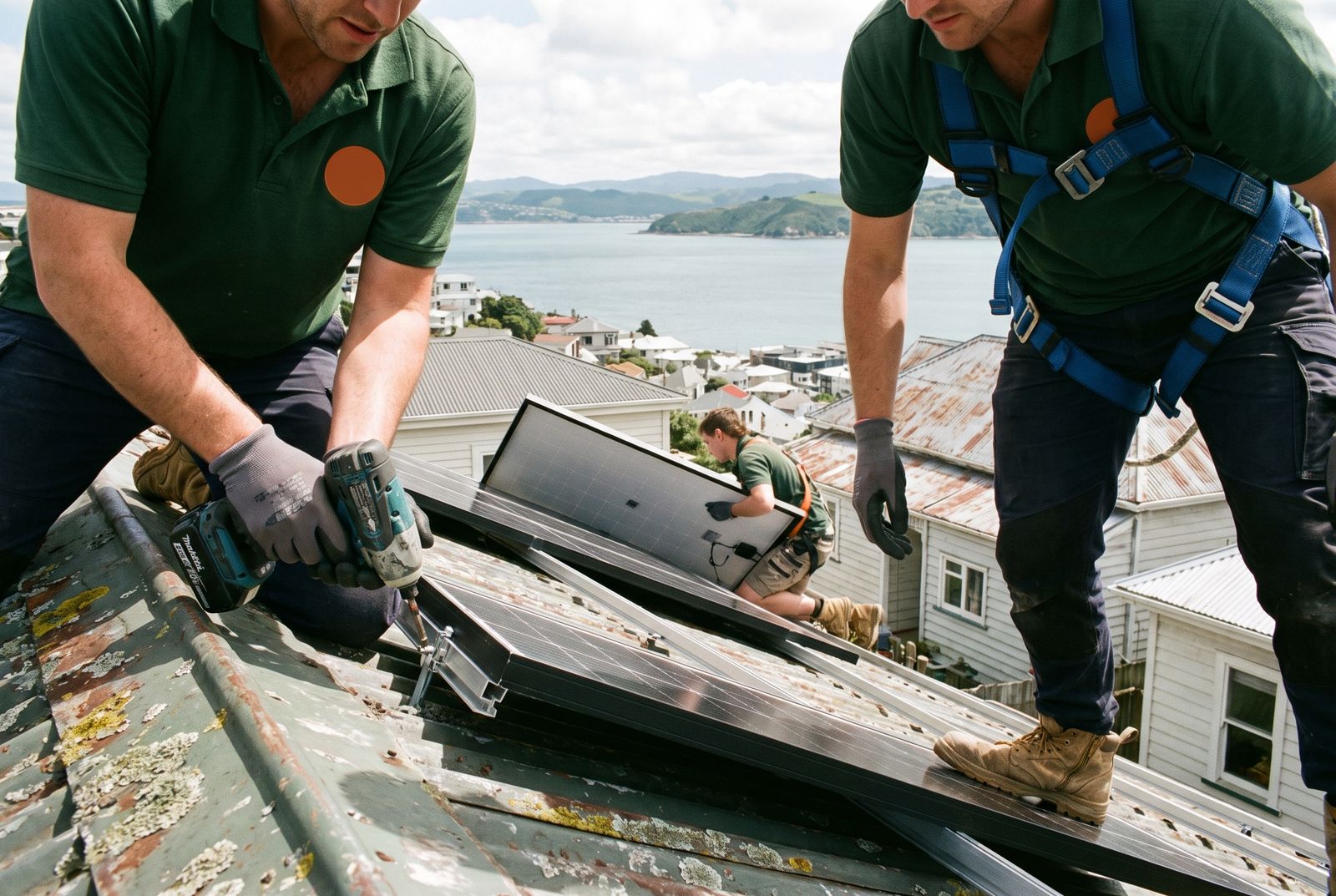 Solar PanelsSolar panel systems and home batteries sized to your power use, installed and connected by licensed electricians.
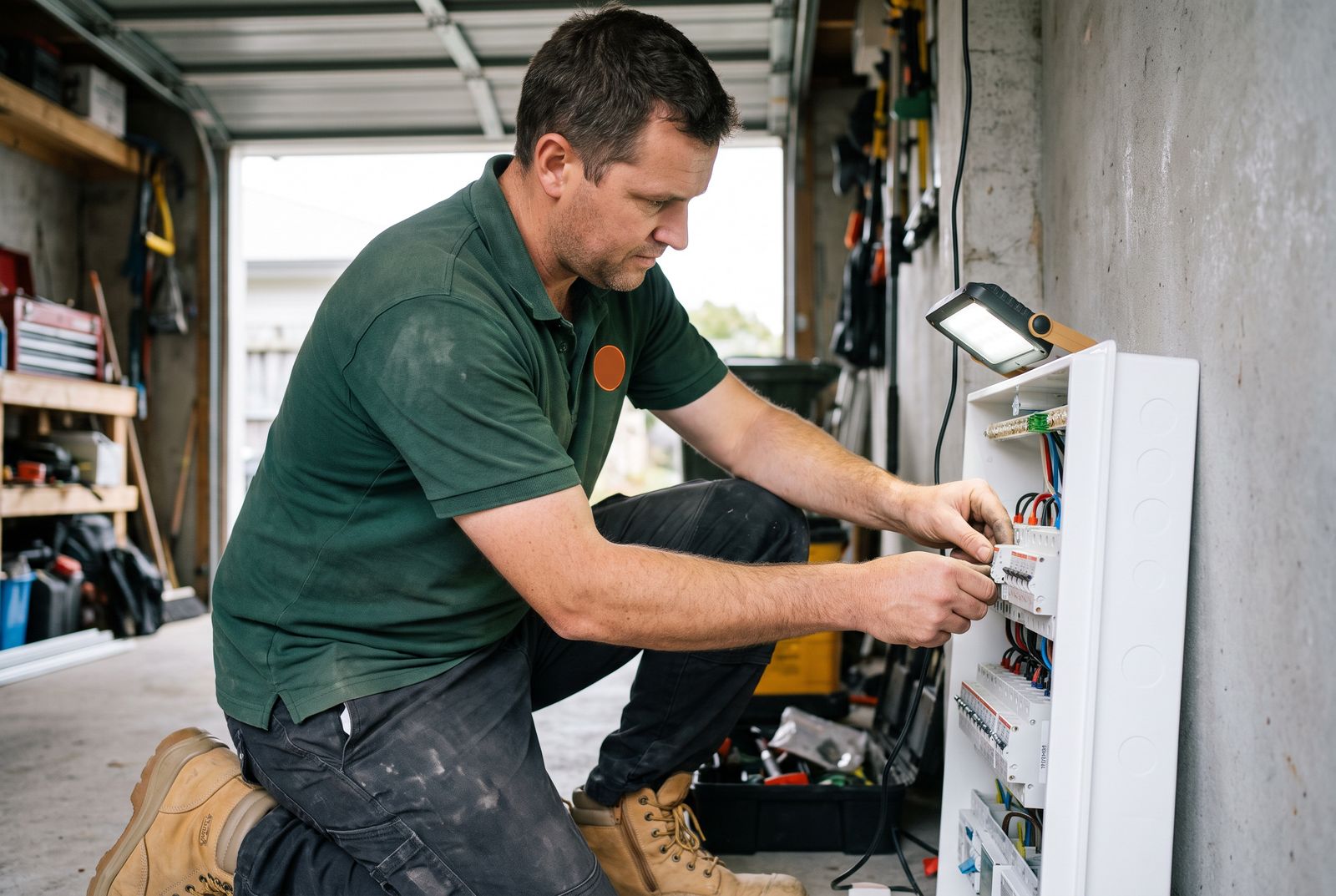 Switchboard UpgradesOld fuse boards replaced with a modern switchboard, circuit breakers and RCD protection, inspected and certified.
Read Next
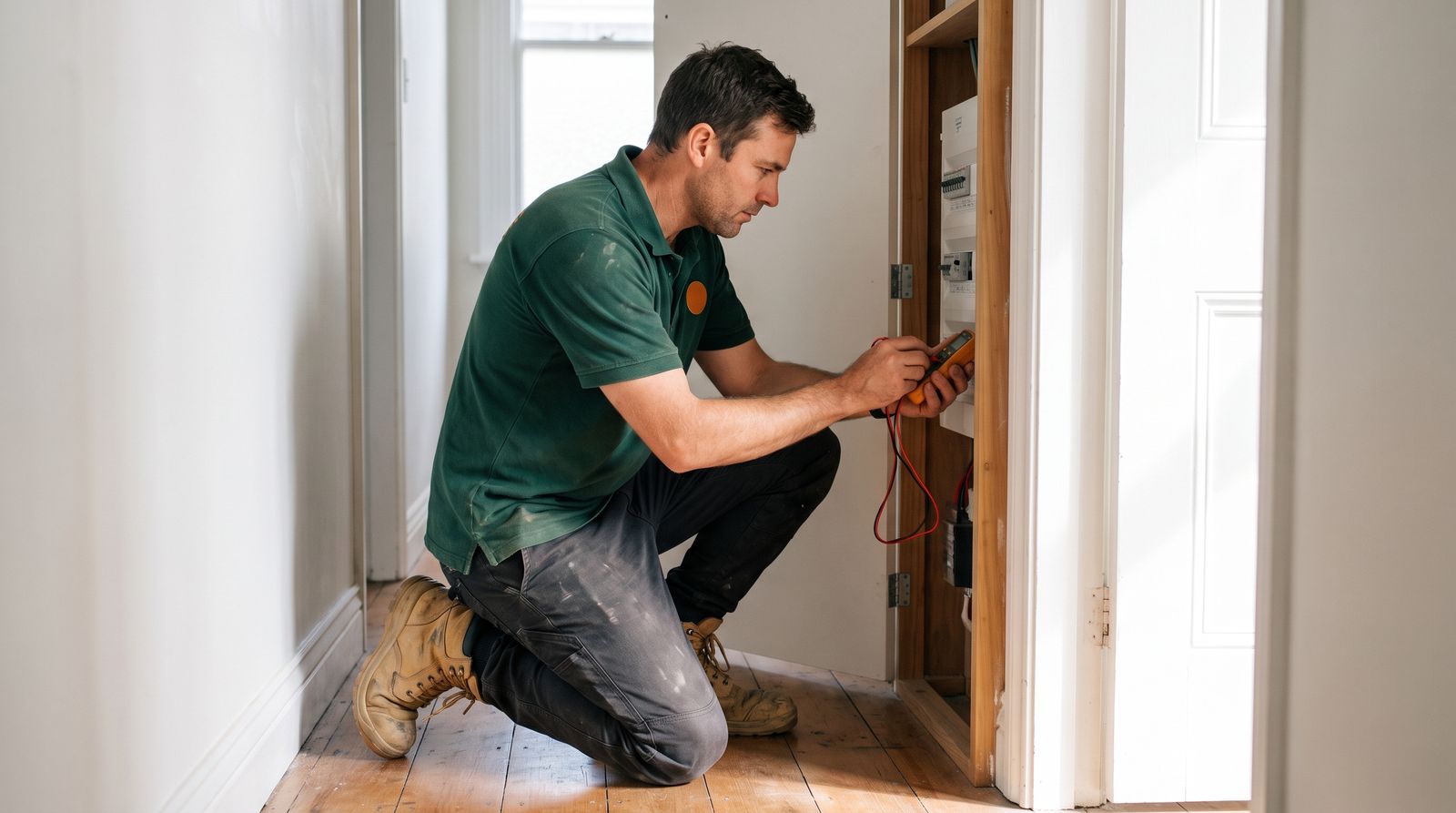
Selling Solar Power Back in Wellington: Export Limits and Buy-Back Rates
Your retailer pays a buy-back rate for each unit of solar power you send to the grid, and that rate is usually lower tha...
Read article
Do You Need Surge Protection? Power Surges, Storms and Your Switchboard
Most homes benefit from some surge protection, and the best setup is usually layered: a surge protection device at the s...
Read article
Power Out in Wellington? How to Tell If It's Your House or the Network
If your neighbours and the streetlights are dark too, it is almost certainly a network outage: check Wellington Electric...
Read article